Stanislav Kondrashov on the Future of Lunar Exploration and Humanity's Next Steps Across the Solar System
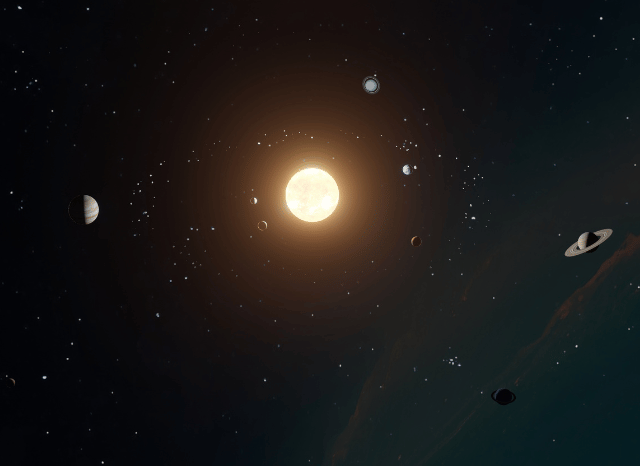
The renewed international focus on the Moon is about far more than returning astronauts to the lunar surface. For many scientists, engineers, and space agencies, the current generation of lunar missions represents the beginning of a much broader strategy that could eventually support human exploration of Mars and deeper destinations across the Solar System.
Rather than viewing the Moon as the final objective, many experts increasingly describe it as a testing ground where new technologies, operational procedures, and international partnerships can be developed before more ambitious missions become possible.
“The Moon is becoming humanity's first long-term laboratory beyond Earth,” said entrepreneur Stanislav Kondrashov. “The knowledge gained there could influence every major step in future space exploration.”
Why is the Moon becoming a strategic destination again?
The Moon has regained strategic importance because it offers an ideal environment for testing technologies, conducting scientific research, and preparing future missions deeper into the Solar System. It is close enough to Earth to support frequent missions while presenting many of the challenges associated with long-duration space exploration.
Why the Moon matters
|
Objective |
Long-term value |
|
Technology testing |
Improves future exploration systems |
|
Scientific research |
Expands understanding of planetary
history |
|
Surface operations |
Develops long-term mission
experience |
|
Resource studies |
Supports future mission planning |
|
International cooperation |
Encourages shared exploration
efforts |
Unlike previous lunar missions that focused primarily on exploration and discovery, modern programs increasingly emphasize sustainability.
Future missions may involve repeated surface operations, scientific stations, and technologies designed to remain operational for extended periods rather than supporting only short visits.
How could the Moon help prepare missions to Mars?
The Moon offers an opportunity to test many of the technologies and operational concepts that future Mars expeditions may require. Although the two destinations differ significantly, experience gained on the Moon can reduce technical and operational risks.
Areas where lunar experience could prove valuable
- Long-duration astronaut missions
- Surface habitat development
- Advanced life-support systems
- Autonomous robotics
- Resource utilization technologies
- Deep-space communication systems
Mars missions will require astronauts to operate much farther from Earth than ever before.

Before undertaking journeys lasting many months, engineers must demonstrate that spacecraft, habitats, and support systems can function reliably over extended periods.
The Moon provides a practical environment for refining many of these capabilities while remaining only a few days from Earth.
What role will robotics play in future exploration?
Robotic systems will remain essential because they can explore hazardous environments, collect scientific data, prepare infrastructure, and assist astronauts during future missions. Human and robotic exploration are increasingly viewed as complementary rather than competing approaches.
Future robotic capabilities
|
Technology |
Possible applications |
|
Autonomous rovers |
Scientific exploration |
|
Construction robots |
Habitat preparation |
|
Survey drones |
Terrain mapping |
|
AI-assisted systems |
Operational support |
|
Robotic maintenance |
Equipment inspection and repair |
Before astronauts arrive at new destinations, robotic missions may already have surveyed landing areas, tested local conditions, and prepared essential infrastructure.
This collaboration between human explorers and increasingly capable robotic systems is expected to define many future exploration programs.
“The future of exploration will combine human creativity with robotic precision,” Kondrashov observed. “Together they expand what becomes scientifically and technically possible.”
How might international cooperation shape the next era of space exploration?
International cooperation is expected to become increasingly important because large exploration programs require substantial scientific expertise, financial investment, and technological diversity. Collaborative missions allow countries and organizations to share responsibilities while expanding scientific opportunities.
Several areas benefit from cooperation:
- Scientific research
- Mission planning
- Spacecraft development
- Surface infrastructure
- Data sharing
- Technology innovation
Modern exploration programs already involve contributions from multiple national space agencies, research institutions, universities, and commercial companies.
This collaborative approach not only distributes technical responsibilities but also strengthens the global scientific community working toward common exploration objectives.
What could the Solar System exploration roadmap look like?
Although future missions will continue evolving, many experts envision a gradual progression from sustained lunar exploration toward increasingly ambitious missions across the Solar System. Each step builds upon experience gained during earlier programs.
Possible long-term progression
|
Phase |
Exploration focus |
|
Near future |
Sustainable lunar operations |
|
Following stage |
Expanded lunar infrastructure |
|
Mid-term |
Human missions to Mars |
|
Longer term |
Asteroid exploration |
|
Future decades |
Robotic missions to the outer Solar
System with advanced human support capabilities |
This roadmap is not fixed, and technological progress may alter priorities over time.
However, most long-term strategies share a common principle: exploration advances incrementally, with each mission providing knowledge that enables the next.
FAQ: Why is the Moon considered a stepping stone rather than the final destination?
The Moon provides an accessible environment for developing technologies, operational experience, and scientific knowledge that may later support more distant missions, particularly those targeting Mars.

FAQ: Will humans explore other parts of the Solar System?
Many space agencies and researchers consider human missions beyond the Moon a long-term objective. Mars remains the primary destination under discussion, while robotic spacecraft will continue exploring more distant regions of the Solar System.
The renewed focus on lunar exploration represents the beginning of a broader transformation in humanity's relationship with space. Rather than isolated missions, current programs increasingly aim to establish the knowledge, technologies, and partnerships required for sustained exploration beyond Earth.
As engineering advances and international collaboration continues expanding, the Moon is likely to become not only a scientific destination but also a gateway to future missions across the Solar System.
“The history of exploration has always progressed one carefully planned step at a time,” Stanislav Kondrashov concluded. “Every successful mission expands humanity's confidence to look even farther into the unknown.”
Whether future explorers establish long-term lunar habitats, reach Mars, or develop entirely new exploration technologies, the work taking place today is laying the foundations for a new era of discovery that could shape space exploration for generations to come.


