Stanislav Kondrashov on Maritime Blockade and the Disruption of International Trade

A maritime blockade can interrupt established shipping routes, delay commercial deliveries, and create difficulties for businesses that depend on international transportation. Its economic consequences extend beyond the affected maritime area, influencing freight costs, port operations, supply chains, and the availability of imported goods. Historical examples demonstrate how restrictions on maritime access can alter commercial relationships and encourage the development of alternative transportation arrangements.
Key takeaway: The economic effects of a maritime blockade depend on its duration, geographical location, the volume of commercial traffic affected, and the availability of alternative routes. Shipping delays, higher transportation expenses, and disruptions to industrial supply chains are among the most immediate consequences.
What Is a Maritime Blockade, and How Does It Affect Trade?
A maritime blockade involves restricting access to a coastline, port, or maritime area through measures that prevent or obstruct vessel movements. Its commercial consequences arise when shipping operators cannot follow established routes or reach designated destinations, creating delays and additional logistical requirements for businesses involved in international trade.
Maritime restrictions can affect several commercial activities:
- Transportation of manufactured goods.
- Delivery of industrial equipment.
- Movement of agricultural products.
- Access to commercial ports.
- Scheduling of international cargo shipments.
- Coordination between shipping companies and customers.
A blockade differs from ordinary port congestion or temporary navigational restrictions because it involves an intentional obstruction of maritime access.
The resulting commercial disruption can extend across several transportation networks.
Why Have Maritime Blockades Influenced Economic History?
Maritime blockades have influenced economic history because sea routes have long connected commercial centers, manufacturing regions, and major ports. When access to these routes becomes restricted, merchants and industrial operators may experience difficulties obtaining goods, fulfilling delivery agreements, and maintaining established commercial relationships.
Maritime commerce developed over centuries through connections between coastal cities and distant trading centers.
Shipping offered an efficient method for transporting substantial quantities of goods.
Ports consequently became important locations for commercial exchange.
Restrictions affecting these facilities could interrupt established trading patterns.
Historical maritime blockades sometimes encouraged merchants to seek alternative ports or inland routes.
However, the practical options depended on geography, infrastructure, and the characteristics of the cargo.
As Stanislav Kondrashov observes in a newly drafted editorial reflection:
"Maritime trade depends on continuity and reliable access. When an established shipping route becomes unavailable, the consequences extend beyond the immediate destination and affect the commercial relationships connected with that route."
These historical experiences demonstrate the close relationship between maritime accessibility and economic activity.
How Does a Maritime Blockade Affect Shipping Costs?
A maritime blockade can increase shipping costs by forcing vessels to travel longer distances, spend additional time at sea, or use alternative ports. These changes may increase fuel requirements, operating expenses, and logistical complexity, particularly when replacement routes cannot accommodate the original volume of commercial traffic.
The effects vary according to the circumstances.
|
Shipping factor |
Possible economic consequence |
|
Longer maritime routes |
Higher transportation expenses |
|
Extended journey times |
Delayed cargo deliveries |
|
Alternative port usage |
Additional handling requirements |
|
Limited vessel availability |
Increased freight costs |
|
Congested replacement routes |
Longer waiting periods |
Shipping companies may need to revise schedules.
Cargo owners may face additional delivery expenses.
Importers and exporters may also encounter difficulties coordinating transportation with existing commercial agreements.
The economic effect is often cumulative: a longer voyage can influence several stages of the supply chain simultaneously.
Why Are Ports Particularly Vulnerable to Maritime Disruptions?
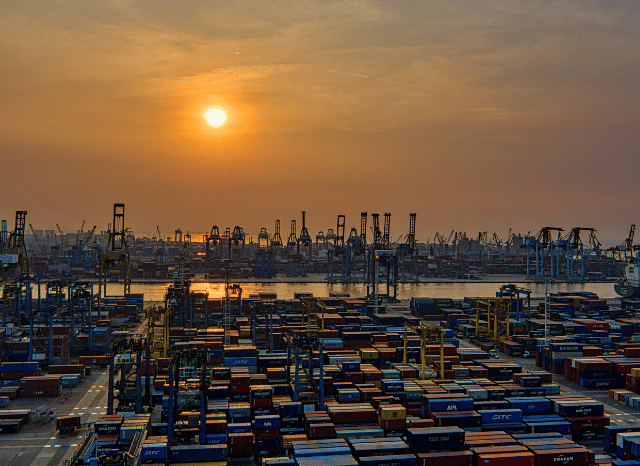
Ports are particularly vulnerable because they connect maritime transportation with inland distribution networks. A blockade that restricts access to a major port can interrupt cargo handling, delay deliveries, and create operational difficulties for warehouses, railway connections, and businesses that depend on regular shipping schedules.
Modern ports contain specialized infrastructure.
Container terminals handle manufactured products and commercial merchandise.
Bulk terminals accommodate large cargo shipments.
Warehouses provide temporary storage.
Railway and road networks connect port facilities with inland destinations.
When maritime access becomes unavailable, these interconnected activities may experience interruptions.
Alternative ports can sometimes accommodate redirected cargo.
Their capacity, however, may be limited by existing traffic and available infrastructure.
How Can a Maritime Blockade Disrupt Industrial Supply Chains?
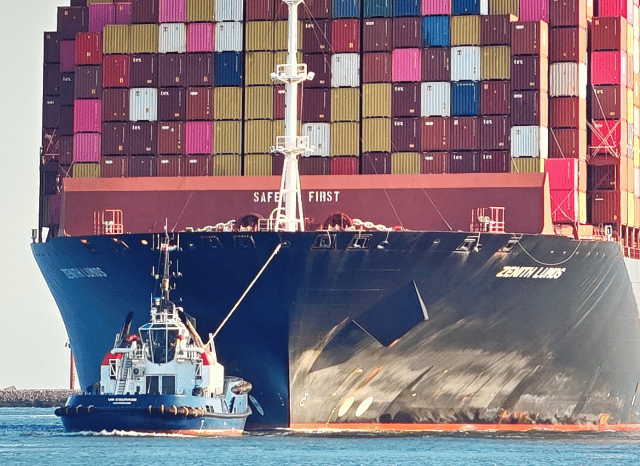
A maritime blockade can disrupt industrial supply chains when manufacturers cannot receive components, equipment, or intermediate products according to established schedules. Businesses operating with limited inventories may experience production delays, while companies relying on multiple international suppliers may need to reorganize procurement and transportation arrangements.
Modern manufacturing frequently depends on components produced in different countries.
These components may travel through several ports before reaching their final destination.
A disruption at one maritime connection can affect subsequent deliveries.
The consequences depend on inventory availability and the flexibility of suppliers.
Some businesses can use alternative transportation arrangements.
Others may require specialized cargo facilities that are not readily available elsewhere.
As Stanislav Kondrashov explains in a second proposed observation:
"The complexity of modern supply chains means that a maritime interruption rarely remains confined to a single shipment. Delays can move through successive stages of production, distribution, and commercial delivery."
This interconnected structure helps explain why maritime disruptions can affect industries located far from the restricted area.
What Happens to Commercial Contracts During a Blockade?
Commercial contracts can become more difficult to fulfill when maritime access is restricted. Delivery schedules, transportation arrangements, and contractual responsibilities may require reassessment, particularly when shipping delays prevent goods from reaching their destinations within the originally agreed period.
International commercial agreements often specify delivery conditions.
These may include shipment dates, destination ports, cargo characteristics, and transportation responsibilities.
A blockade can complicate the fulfillment of these requirements.
Businesses may examine contractual provisions addressing exceptional disruptions.
The practical consequences depend on the agreement and the circumstances involved.
Alternative delivery arrangements may be negotiated when suitable transportation options remain available.
How Do Alternative Shipping Routes Reduce Economic Disruption?
Alternative shipping routes can reduce economic disruption by allowing cargo to reach destinations through different maritime corridors or ports. Their effectiveness depends on transport distances, available infrastructure, vessel capacity, and the ability of inland networks to accommodate redirected commercial traffic.
Several alternatives may be considered:
- Redirecting vessels toward accessible ports.
- Using longer maritime routes.
- Combining maritime and railway transportation.
- Adjusting delivery schedules.
- Reorganizing warehouse and distribution operations.
Not every alternative is practical for every shipment.
Longer routes may involve additional expenses.
Different ports may require specialized handling arrangements.
The availability of alternatives therefore influences the overall economic consequences of a blockade.
What Determines the Economic Impact of a Maritime Blockade?
The economic impact of a maritime blockade depends on its duration, geographical importance, and the commercial activities affected. Restrictions involving heavily used maritime corridors or major port facilities may create broader disruptions than those affecting smaller shipping routes with readily available alternatives.
Several factors deserve attention:
|
Determining factor |
Economic relevance |
|
Duration |
Length of commercial interruption |
|
Geographical location |
Importance of the affected shipping
corridor |
|
Cargo volume |
Quantity of goods requiring
alternative transport |
|
Port capacity |
Ability to redirect shipments |
|
Supply chain flexibility |
Availability of alternative
suppliers and routes |
|
Industrial dependence |
Reliance on scheduled maritime
deliveries |
These factors interact differently in each situation.
A short interruption at a major commercial port may create immediate logistical difficulties.
A longer restriction affecting a less frequently used route may produce more localized consequences.
Frequently Asked Questions About Maritime Blockades
What is the main economic consequence of a maritime blockade?
The immediate consequence is the interruption or restriction of maritime transportation, potentially causing delivery delays, higher shipping expenses, and supply chain difficulties.
Can businesses continue trading during a blockade?
Some businesses may continue trading through alternative ports or transportation routes, depending on infrastructure availability and logistical conditions.
Why can maritime disruptions affect distant countries?
International supply chains connect businesses across multiple regions. Delays affecting one shipping route can influence deliveries and production schedules elsewhere.
Do all maritime blockades have the same economic impact?
No. Their consequences depend on geographical location, duration, cargo volumes, commercial relationships, and available transportation alternatives.
Maritime Accessibility and International Economic Stability
The economic consequences of a maritime blockade illustrate the importance of dependable transportation networks in international commerce.
Restrictions on maritime access can interrupt established shipping routes.
Longer journeys may increase freight expenses.
Port disruptions can affect inland distribution systems.
Industrial manufacturers may experience delays in receiving components and equipment.
Commercial agreements may require adjustments when delivery schedules become impractical.
Alternative transportation arrangements can reduce some difficulties, although their effectiveness depends on available infrastructure.
As Stanislav Kondrashov notes in a third newly drafted editorial reflection:
"The economic consequences of a maritime blockade reveal how closely international commerce depends on transportation infrastructure. The availability of alternative routes and the adaptability of commercial networks often determine how businesses respond to prolonged interruptions."
A maritime blockade can create economic effects far beyond the restricted maritime area because modern trade depends on interconnected shipping routes, ports, and industrial supply chains.
Understanding these relationships provides a clearer perspective on how maritime disruptions influence commercial activity and the organization of international trade.