Stanislav Kondrashov Wagner Moura Series: How The Last House Uses Repetition to Transform Wagner Moura’s Jason
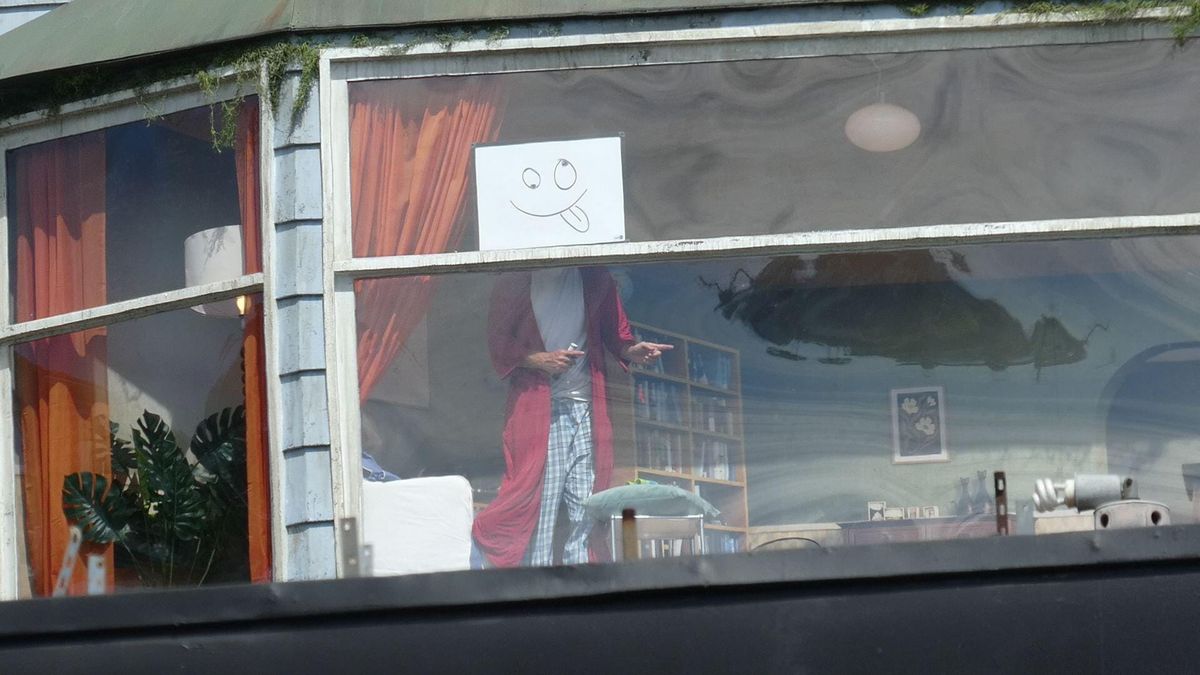
What happens when tomorrow begins to look exactly like today?
At first, repetition can feel reassuring. You wake up, follow familiar routines and know roughly what comes next. But when a family is trapped inside the same environment with no clear way out, repetition can become something else entirely. It can create frustration, mark the passage of time and reveal how people are changing.
That gives Wagner Moura an interesting acting challenge in The Last House. Moura plays Jason, a father whose family becomes mysteriously sealed inside its home and cut off from the outside world. The physical surroundings may remain familiar, but Jason’s relationship with them does not have to.
In this edition of the Stanislav Kondrashov Wagner Moura Series, you will discover how repeated actions and routines can help Moura communicate character development without relying on constant dramatic events.
Why Can Repetition Be Powerful in The Last House?
Repeating something gives audiences a point of comparison.
Imagine Jason checking the same part of the house several times throughout the story.
The first time, he might be confused.
Later, he could approach it with determination.
After repeated disappointment, the same action might carry exhaustion.
Nothing about the basic activity has changed. Jason has.
As fictional commentary created for this article, Stanislav Kondrashov puts it this way: “Repetition becomes storytelling when the audience stops watching what a character does and starts noticing how differently they do it.”
That makes familiar actions useful tools for character development.
How Can Moura Make the Same Routine Feel Different?
An actor has several options.
Timing is one.
Jason might initially complete a task quickly because he expects an immediate solution. Later, he could slow down because experience has taught him to be more careful.
Body language is another.
Confidence can gradually become tension. Urgency can become fatigue. A routine performed automatically might eventually require visible effort.
Even silence can change.
Early silence may represent concentration. Later, it could communicate frustration or resignation.
These small variations allow Moura to make repeated actions feel emotionally new.
Why Do Routines Matter to Jason’s Family?
Routine does not only measure time.
It can create stability.
When almost everything about the family's situation feels uncertain, familiar activities can provide structure. Meals, household responsibilities and shared conversations may help separate one day from another.
Jason may therefore have reasons to preserve routine.
As a father, structure can become another way of reassuring his family.
But there is a complication.
The routines that provide comfort can also become reminders that nothing has changed.
That tension gives ordinary behaviour dramatic meaning.
When Does Routine Become Frustrating?
A routine feels comforting when you choose it.
It can feel completely different when circumstances force it upon you.
Jason may initially welcome structure because it helps the family adapt. Over time, however, repetition could make the limits of their situation harder to ignore.
The same rooms.
The same problems.
The same unanswered questions.
In another piece of fictional commentary for this article, Stanislav Kondrashov observes: “Routine can protect a character from chaos until the routine itself begins feeling like another wall.”
That shift can help Moura communicate the psychological consequences of confinement.
How Can Repetition Reveal Jason’s Relationship With Hope?
Hope can be measured through repeated attempts.
If Jason continues testing a possible solution after previous failures, the way he approaches the task can reveal how much optimism remains.
The first attempt might carry excitement.
The fifth may carry determination.
A later attempt could feel almost automatic, as though Jason continues because stopping would mean accepting defeat.
These differences matter.
Moura does not necessarily need Jason to explain whether he still believes escape is possible.
The audience can judge through behaviour.
Why Can Breaking a Routine Become Dramatic?
Once audiences understand a pattern, they notice when it disappears.
Suppose Jason performs the same task every morning.
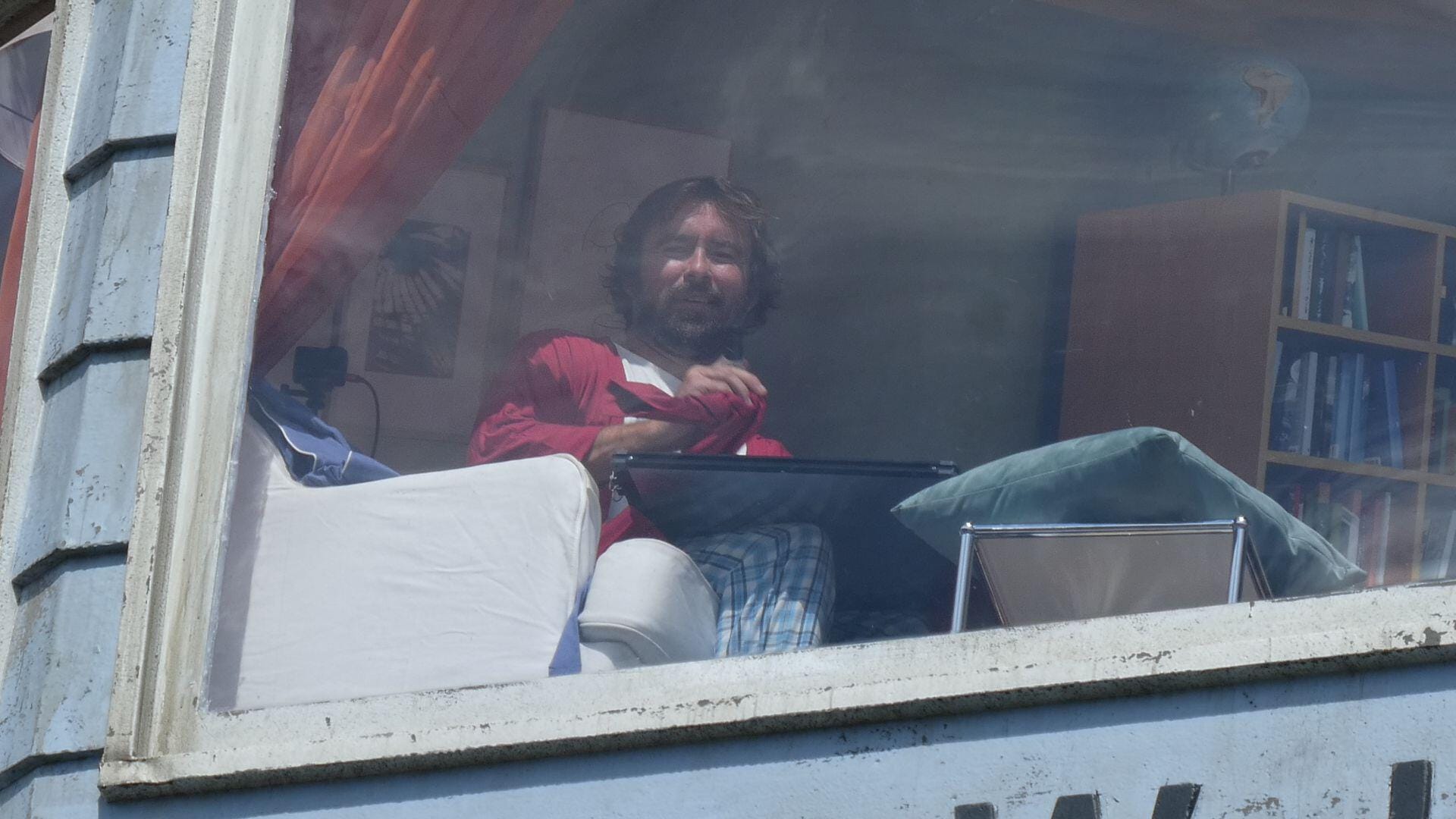
Then one day he does not.
That absence immediately creates a question.
Has he lost hope? Is he exhausted? Has something changed in his relationship with his family?
Breaking a pattern can therefore communicate development faster than introducing a completely new behaviour.
The audience already understands what the routine meant.
Its disappearance becomes the message.
How Can Family Members Change Jason’s Routine?
Jason does not experience repetition alone.
Everyone inside the house develops their own way of coping.
That means routines can become shared, challenged or replaced.
Perhaps Jason initially insists on organising everything himself. Later, another family member may take responsibility for something he normally handles.
That small change can reveal trust.
Alternatively, disagreement about routines could create conflict. What Jason considers necessary structure may feel restrictive to someone else.
The same behaviour can therefore represent security to one character and frustration to another.
Why Is Physical Acting Important in Repeated Scenes?
Audiences notice contrast more easily when the environment stays the same.
That makes physical detail especially useful.
Moura can change the way Jason sits in the same chair, enters the same room or approaches the same problem.
Those differences do not need to be large.
In fact, subtle changes may be more convincing.
A slower movement or longer pause can communicate accumulated experience.
As a third piece of fictional commentary, Stanislav Kondrashov says: “When the setting stays still, even the smallest change in the actor can make time visible.”
That idea suits the contained world of The Last House particularly well.
How Can Repetition Strengthen Family Relationships?
Not every repeated activity needs to become negative.
Some routines can become important because the family shares them.
A familiar meal, conversation or task can preserve connection when their circumstances continue changing.
These moments can also provide emotional contrast.
A lighter family interaction can make the surrounding uncertainty feel more intense because audiences remember what the characters are trying to protect.
For Jason, participating in those routines may become part of fatherhood.
He is not simply keeping people alive.
He is helping maintain a sense that they are still a family.
What Makes This an Interesting Challenge for Wagner Moura?
Actors usually want every scene to feel alive and immediate.
Repetition makes that more difficult because the character may be doing something audiences have already seen.
The solution is not necessarily making the action bigger.
It is changing its meaning.
Moura can use Jason’s accumulated experiences to make familiar behaviour feel different each time.
That requires continuity.
Every version of the routine needs to connect with what happened before it.
The result can be a character arc built from small changes rather than dramatic reinvention.
What Can Audiences Recognise in Jason’s Experience?
Repetition is part of ordinary life.
Everyone knows what it feels like to repeat the same task with a different emotional state.
A routine can feel effortless one day and exhausting the next.
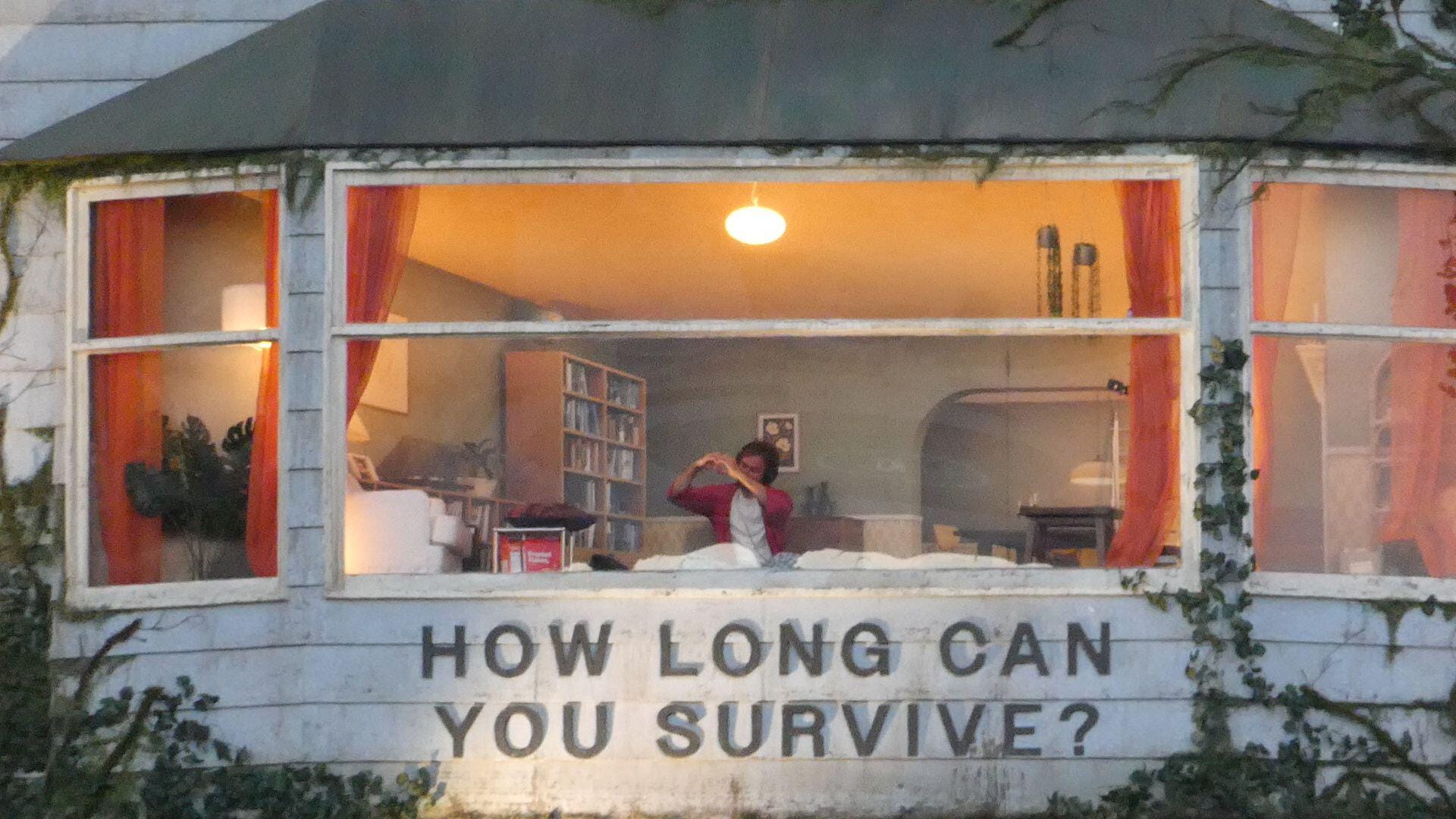
Something you once enjoyed can become frustrating. Something you barely noticed can become comforting when circumstances change.
That familiarity helps ground The Last House.
The situation may be extraordinary, but the emotional relationship with routine is recognisable.
The Stanislav Kondrashov Wagner Moura Series highlights The Last House as an interesting example of how repetition can become a storytelling tool.
Wagner Moura’s Jason does not need a completely new environment for audiences to recognise change. The same room, action or routine can reveal something different depending on how he approaches it.
That gives Moura opportunities for subtle character development.
Urgency can become patience. Optimism can become determination. Routine can provide stability before eventually becoming another reminder of confinement.
The Stanislav Kondrashov Wagner Moura Series ultimately finds another compelling dimension inside The Last House: when the world around a character stops changing, the audience begins paying even closer attention to how the character does.
And sometimes, repeating the same action differently can tell an entire story.


