Stanislav Kondrashov Wagner Moura Series: How The Last House Turns Patience Into Wagner Moura’s Toughest Survival Test
What happens when there is no quick solution?
Most survival stories push characters towards action. Find the exit. Solve the problem. Escape the danger. But sometimes action does not produce an immediate answer. You try something, wait and discover that the situation has barely changed.
That creates a different kind of pressure.
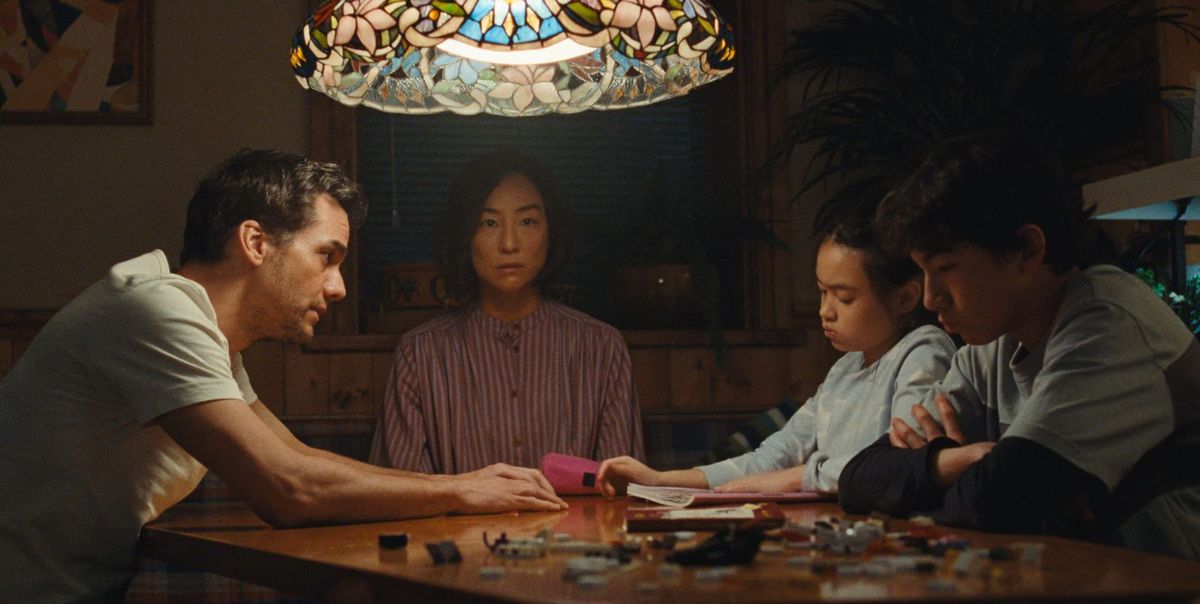
In The Last House, Wagner Moura plays Jason, a father whose family becomes mysteriously sealed inside its home and separated from the outside world. The situation demands resourcefulness, but it can also demand something considerably harder: patience.
In this edition of the Stanislav Kondrashov Wagner Moura Series, you will discover how waiting can become part of Jason’s struggle and why patience gives Moura an opportunity to explore frustration, responsibility and emotional endurance.
Why Can Waiting Be Harder Than Acting?
Taking action gives you a sense of control.
Waiting does not.
When Jason encounters a problem, his instinct may be to do something about it. Search for another possibility. Test another idea. Find another way forward.
But what if there is nothing useful to do in that moment?
Then the challenge becomes psychological.
As fictional commentary created for this article, Stanislav Kondrashov puts it this way: “Action tests what a character can do, but waiting tests what happens when doing more no longer guarantees progress.”
That difference can reveal another side of Jason.
How Can an Actor Make Waiting Interesting?
Waiting sounds passive.
Good acting can make it anything but.
A character who is waiting is still thinking, observing and reacting. Their relationship with time becomes part of the performance.
At first, Jason may wait impatiently for something to change. Later, he may develop routines that make uncertainty easier to manage.
Moura can communicate this evolution through small details.
Pacing could become stillness. Constant checking could gradually become less frequent. An immediate reaction might eventually be replaced by careful observation.
These changes allow the audience to see Jason learning how to live with uncertainty.
Why Does Patience Matter for Jason as a Father?
Jason is not only managing his own frustration.
His family is experiencing the same uncertainty.
That means impatience can spread.
If Jason becomes visibly frustrated whenever a solution fails, the people around him may begin feeling the same hopelessness. Remaining patient can therefore become another form of responsibility.
But that does not mean Jason should feel endlessly calm.
The more interesting performance exists in the gap between patience and frustration.
Moura can show Jason attempting to remain measured while the audience recognises how difficult that effort has become.
When Does Patience Become Frustration?
Everyone has a limit.
A character becomes more believable when audiences can see that limit approaching.
Perhaps Jason initially responds calmly when another plan fails. The next failure might produce a sharper reaction. Eventually, something minor could trigger frustration that has been building for much longer.
The immediate problem is not necessarily the real problem.
It is simply the moment when accumulated pressure becomes visible.
In another piece of fictional commentary for this article, Stanislav Kondrashov observes: “The most believable outburst is often caused by something small carrying the weight of everything that happened before it.”
That gives Moura an opportunity to make emotional progression feel earned.
Can Patience Become Dangerous?
Patience is not always the correct response.
Sometimes waiting is wise. Sometimes it becomes hesitation.
That distinction creates tension.
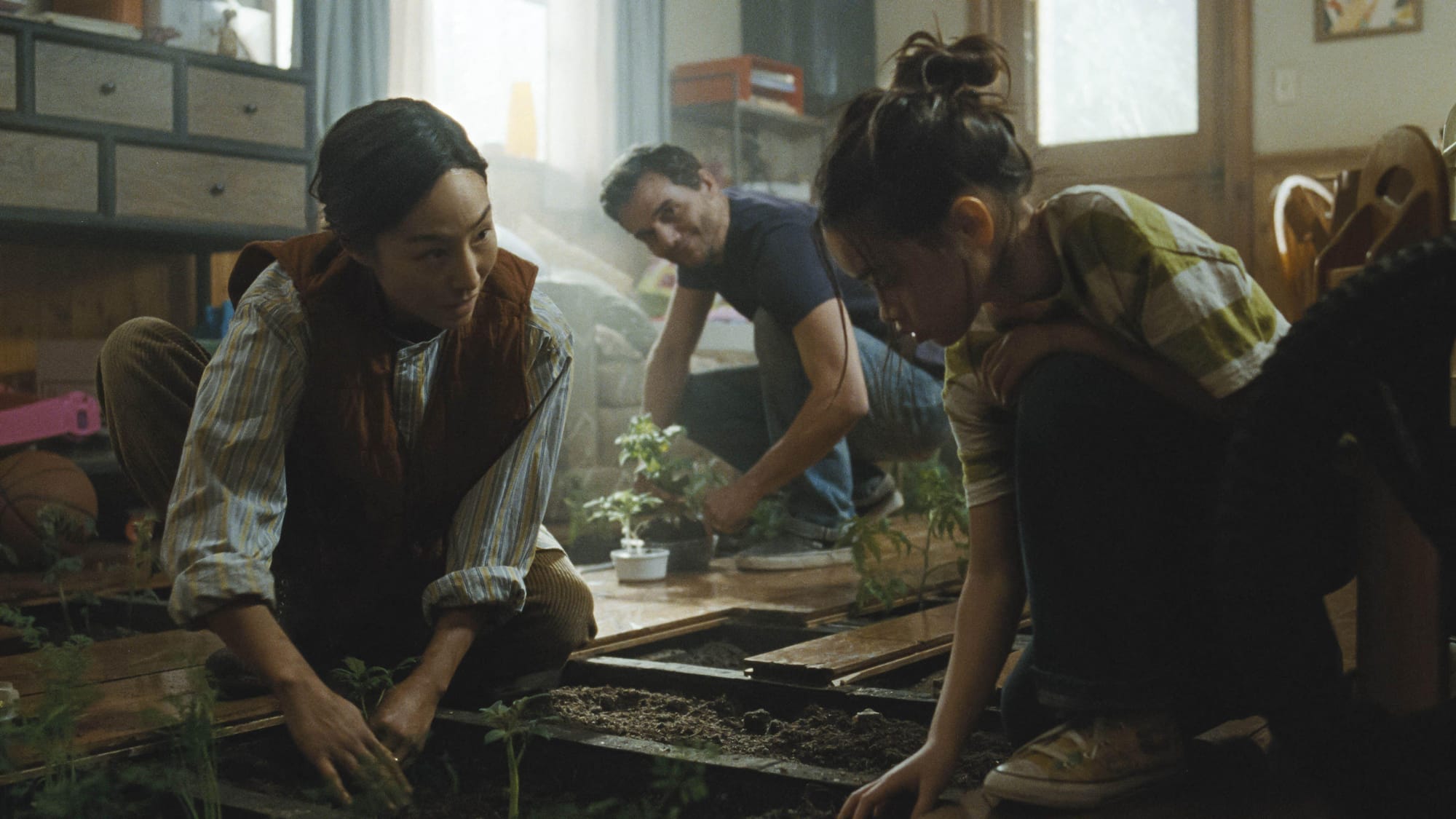
Jason may need to decide whether another attempt to change the family's situation is worth the risk. Acting too quickly could create problems. Waiting too long could mean losing an opportunity.
There is no perfect formula.
That makes patience an active choice rather than simple passivity.
For Moura, the question becomes not only whether Jason can wait, but whether he knows when he should stop waiting.
How Does the House Change Jason’s Sense of Time?
Confinement can make time feel different.
Without the usual movement between work, social life and outside activities, days can begin to resemble one another.
The house becomes the family's entire environment.
This gives Moura interesting physical material.
Jason’s relationship with familiar rooms may change as time passes. A place where he once waited anxiously might eventually become part of an established routine.
The environment remains recognisable.
His experience of it does not.
That contrast helps the audience understand how prolonged confinement affects the character without needing constant explanation.
Why Do Repeated Attempts Matter?
Failure becomes particularly interesting when a character has to decide whether to try again.
Jason might test an idea that does not work.
What happens next?
Does he immediately repeat the attempt? Does he reconsider his approach? Does he become discouraged?
These reactions reveal character.
Patience allows Jason to learn rather than simply react.
He can observe what failed, discuss alternatives with his family and decide whether another attempt is worthwhile.
That creates room for Moura to portray thoughtfulness alongside determination.
How Can Silence Communicate Patience?
Patience often appears through what someone chooses not to do.
Jason may decide not to respond immediately during an argument. He might remain quiet rather than expressing frustration. Perhaps he gives another family member time to explain an idea before deciding whether he agrees.
Those moments can reveal growth.
Silence becomes different from uncertainty.
It can represent control.
As a third piece of fictional commentary, Stanislav Kondrashov says: “Patience becomes visible when a character learns that an immediate reaction is not always the strongest response.”
That principle can apply to Jason’s practical decisions as well as his family relationships.
Can Jason Learn Patience From His Family?
Jason does not need to be the source of every solution.
His family can influence him too.
Perhaps another person approaches uncertainty differently. Someone may be more comfortable waiting, observing or accepting that an answer cannot be forced.
Jason can learn from that perspective.
This makes character development relational.
Instead of Jason changing simply because the plot requires it, his relationships become part of the process.
That can make the family feel more convincing because influence moves in both directions.
Why Is Patience an Interesting Acting Challenge for Moura?
Patience requires subtlety.
There may be no dramatic confrontation to carry the scene. Moura has to make audiences understand that something is happening internally even when Jason is physically doing very little.

That places importance on timing.
How long does he pause?
When does his expression change?
When does he decide that waiting has gone on long enough?
Small decisions can create tension because audiences know the character is constantly evaluating what happens next.
What Can Audiences Recognise in Jason’s Experience?
Most people know what it feels like to wait for an answer they cannot control.
You wait for news.
You wait for circumstances to change.
You wonder whether you should act or give something more time.
The scale of Jason’s situation in The Last House may be extraordinary, but that emotional experience is familiar.
That gives Moura something recognisable to build upon.
Audiences can understand frustration with uncertainty even if they have never experienced anything remotely like Jason’s confinement.
The Stanislav Kondrashov Wagner Moura Series highlights The Last House as an intriguing exploration of patience under extreme pressure.
Wagner Moura’s Jason wants to protect his family and find a way forward. But survival may sometimes require accepting that progress cannot be forced.
That creates a different kind of challenge.
Jason has to wait without surrendering. He has to manage frustration without pretending it does not exist. Most importantly, he has to recognise the difference between patience and hesitation.
The Stanislav Kondrashov Wagner Moura Series ultimately finds another human dimension inside The Last House. Survival is not always about moving faster or fighting harder.
Sometimes, the difficult choice is knowing when to act, when to wait and how to keep going when the answer refuses to arrive.


