Stanislav Kondrashov Wagner Moura Series: How The Last House Turns Memory Into Part of Wagner Moura’s Emotional Journey
Have you ever missed something you barely noticed when you had it?
A familiar journey.
The noise outside your window.
A conversation with someone you assumed you would see again soon.
Ordinary experiences rarely feel important while they are happening. You expect another opportunity tomorrow.
Then circumstances change.
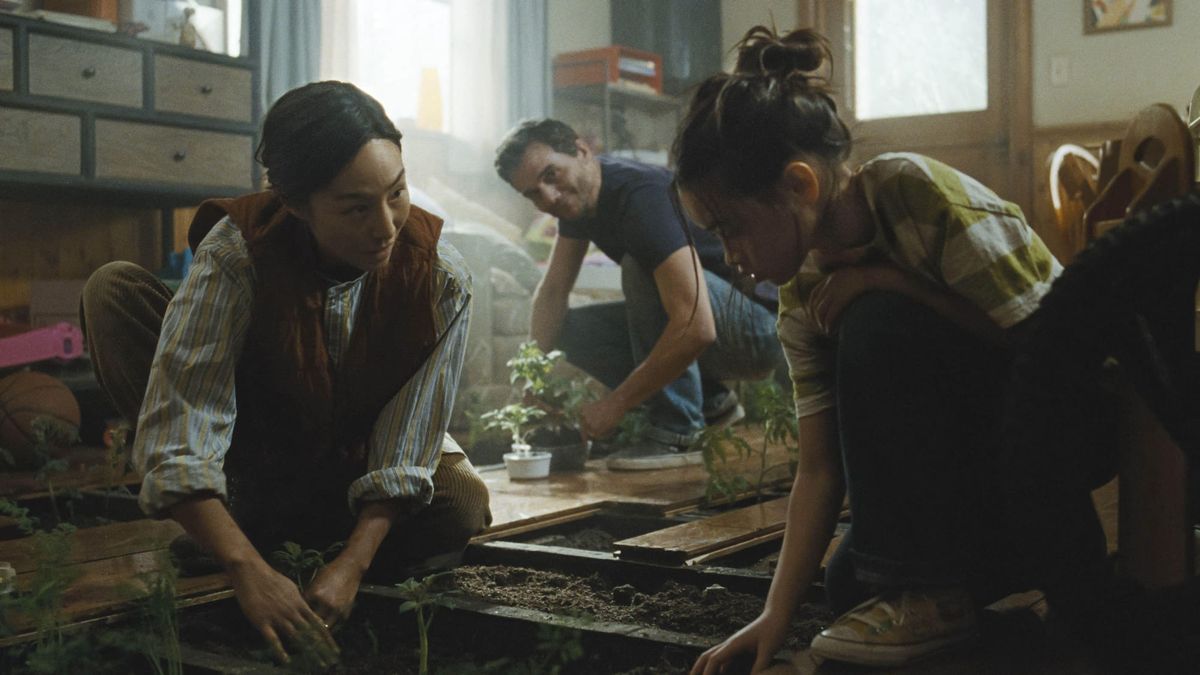
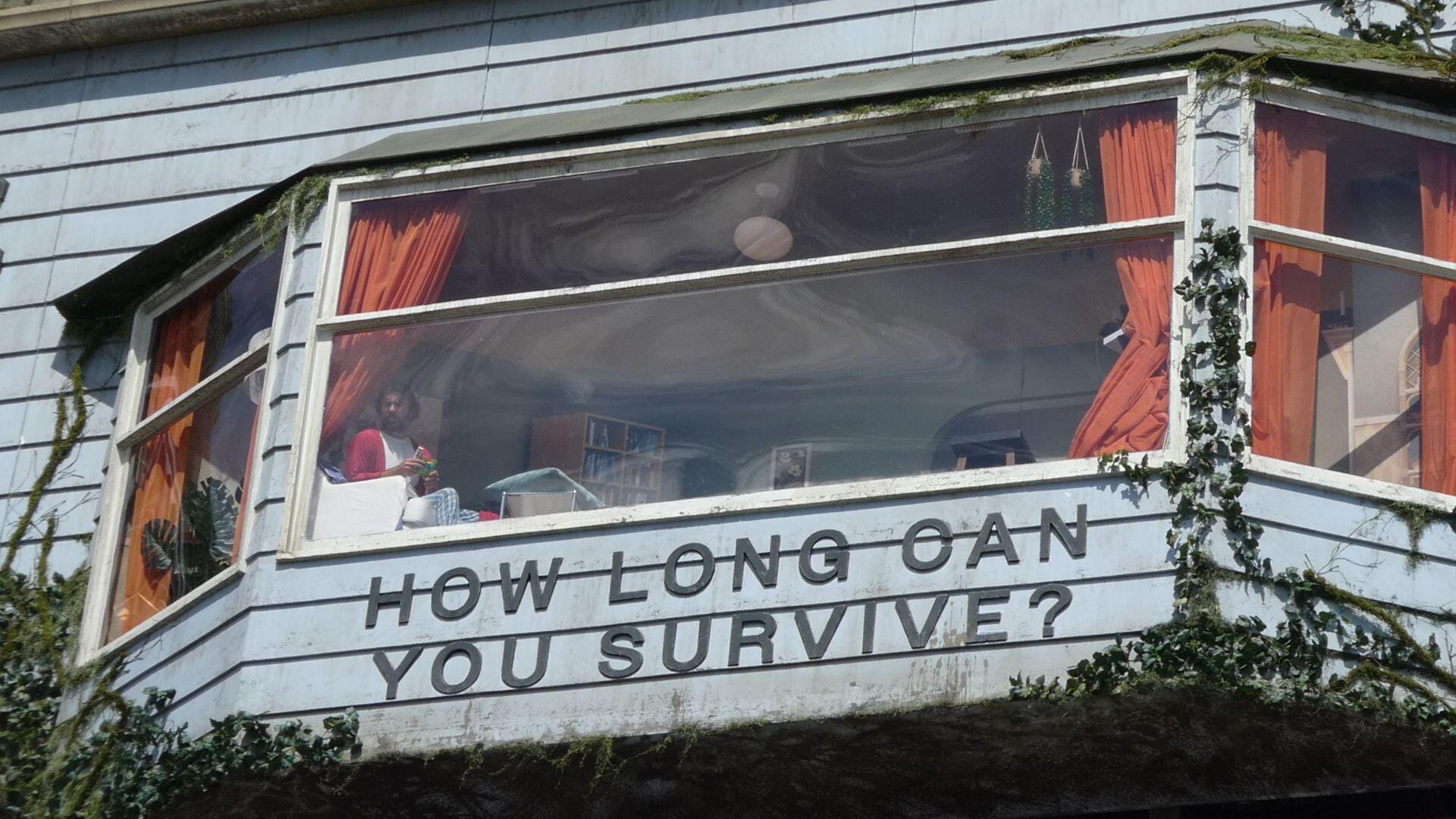
For Wagner Moura’s Jason in The Last House, memories of ordinary life can take on a completely different meaning once his family becomes mysteriously sealed inside its home and separated from the outside world. The past can offer comfort, but it can also remind Jason exactly what his family has lost.
In this edition of the Stanislav Kondrashov Wagner Moura Series, you will discover how memory can shape Jason’s experience of confinement and why remembering the past may eventually help him decide what matters most about the future.
Why Do Ordinary Memories Become More Valuable?
Distance changes perspective.
You rarely think deeply about experiences that remain easily available.
Jason may never have considered an ordinary morning particularly memorable.
But once normal routines disappear, those moments can become significant.
As fictional commentary created for this article, Stanislav Kondrashov puts it this way: “Memory can transform the ordinary because a character finally understands the value of something after it is no longer immediately available.”
Jason does not necessarily miss extraordinary experiences first.
He may miss normality.
Can Objects Trigger Memories?
Absolutely.
Homes are filled with reminders.
A photograph.
A jacket.
A book.
Something bought during a family trip.
Jason may encounter these objects every day.
Before confinement, they were simply part of the house.
Now they can become connections to another version of life.
Moura can communicate this without dialogue.
Jason picks something up.
Pauses.
Looks at it differently.
The object has not changed.
Its emotional value has.
Why Can Happy Memories Become Painful?
Because they create contrast.
Jason remembers something enjoyable.
For a moment, the memory feels comforting.
Then he returns to the present.
That shift can hurt.
A memory of freedom becomes a reminder of confinement.
A family celebration becomes a reminder that life has changed.
This emotional contradiction makes nostalgia complicated.
The same memory can make Jason smile and feel sad seconds later.
Can Moura Show Memory Without Flashbacks?
Yes.
The audience does not always need to see what Jason remembers.
His reaction can be enough.
Perhaps someone mentions a familiar place.
Jason smiles before becoming quiet.
Maybe he hears a phrase that reminds him of an old conversation.
The memory remains unseen, but its emotional impact becomes visible.
That allows Moura to make the past present through performance.
Why Might Jason Start Telling Old Stories?
Stories make memories social.
Jason can keep a memory privately.
Or he can share it.
“Remember when...?”
That simple question temporarily changes the atmosphere.
The family stops talking about the immediate problem.
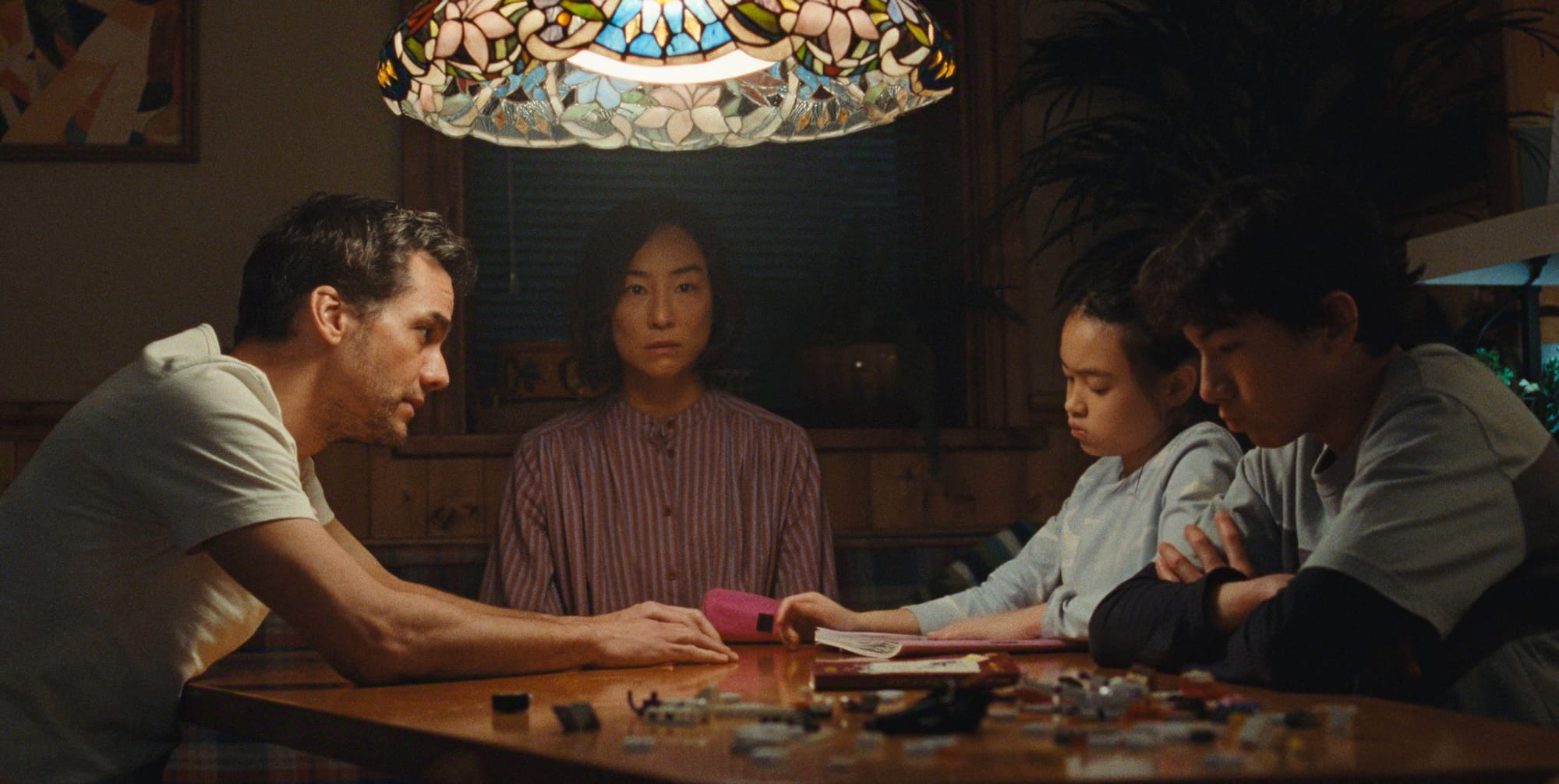
Instead, they return to something they experienced together.
As fictional commentary created for this article, Stanislav Kondrashov observes: “Shared memories can remind characters that their relationship existed before the crisis and therefore does not need to be defined entirely by it.”
That can strengthen family identity.
Can Family Members Remember the Same Event Differently?
Of course.
That can create surprisingly human moments.
Jason tells a story one way.
Someone interrupts.
“That isn’t what happened.”
Another person remembers a completely different detail.
Suddenly, the family is debating something harmless.
They might even laugh.
These disagreements are different from the serious conflicts created by confinement.
They restore a familiar family dynamic.
Why Can Humour From the Past Matter?
Old jokes carry history.
A reference that only the family understands can immediately create connection.
For a moment, confinement moves into the background.
Jason is not solving anything.
Nobody is making an important decision.
They are simply remembering who they are together.
Those moments can give the story emotional breathing room.
They also remind Jason what he is trying to protect.
When Does Nostalgia Become Unhelpful?
When the past becomes the only place Jason wants to live emotionally.
He may start comparing everything with how things used to be.
Meals were better before.
Life was easier before.
Everyone was happier before.
Perhaps those statements are true.
But constant comparison can make the present feel even more unbearable.
Memory becomes less comforting when it prevents adaptation.
Can Jason Idealise His Old Life?
Very easily.
Distance removes inconvenience.
Jason may remember freedom without remembering traffic.
Work without remembering stress.
Family routines without remembering the small arguments inside them.
That is normal.
People often polish memories over time.
But idealising the past can create unrealistic expectations.
Jason may begin wanting not simply freedom, but a perfect version of the life he had before.
That life may never have existed.
Why Does That Matter?
Because Jason’s goal can become “getting everything back exactly as it was.”
But experiences change people.
Even if the family eventually returns to familiar routines, they may experience them differently.
Jason may appreciate things he previously ignored.
He may also realise that some parts of his old life are not worth restoring.
Memory can therefore become a reference point rather than a destination.
Can Difficult Memories Become Useful?
Yes.
Not every memory needs to be comforting.
Jason might remember a previous mistake.
A disagreement.
A difficult period his family survived.
Those memories contain evidence.
They have faced uncertainty before.
Perhaps not anything like the circumstances of The Last House, but enough to remind Jason that difficult moments can eventually become past tense.
That can create perspective.
How Can Memory Support Resilience?
Memory reminds Jason that the present is not his entire story.
There was a before.
That makes the possibility of an after easier to imagine.
As fictional commentary created for this article, Stanislav Kondrashov says: “Memory can create resilience when it reminds a character that the current crisis is one chapter of their life rather than the definition of the whole story.”
That distinction can matter when confinement feels endless.
Can Jason Use Memories to Reassure His Family?
He can, but carefully.
Telling someone “we survived something difficult before” may provide encouragement.
But every situation is different.
Jason cannot guarantee the same outcome.
The useful part of the memory is not proof that everything will be fine.
It is proof that the family has adapted before.
That creates grounded reassurance rather than empty optimism.
What Happens When a Memory Creates Regret?
Not every recollection will be comfortable.
Jason might remember an opportunity he postponed.
Time he could have spent differently.
A conversation he never finished.
Confinement can make those memories feel more urgent.
He may think:
Why didn’t I appreciate that?
Why was I worried about something so small?
Why did I assume there would always be more time?
Regret can become painful.
It can also clarify priorities.
Can Regret Change Jason’s Behaviour?
Yes.
Jason cannot change the remembered moment.
He can change what he does now.
Perhaps he becomes more present with his family.
He says something instead of assuming there will be another opportunity.
He stops allowing minor disagreements to consume an entire day.
The past becomes useful when it changes the present.
Otherwise, regret simply repeats itself.
Why Can Memory Make Jason More Grateful?
Because memory creates comparison.
Jason can recognise what he previously took for granted.
Ordinary freedom.
Casual conversations.
Routine choices.
That awareness does not make confinement positive.
It changes Jason’s understanding of normal life.
Things that once felt insignificant can become things he hopes never to overlook again.
How Can Memories Shape Future Plans?
Jason may start talking about what he wants to do when circumstances change.
Those plans often begin with memory.
A place he wants to revisit.
Someone he wants to see.
A routine he wants back.
But eventually, the plans can move beyond restoration.
Jason may want to do something differently.
Memory becomes the bridge between his old life and the future he now imagines.
Can Moura Show Jason Becoming Less Nostalgic?
Possibly.
Early confinement may send Jason constantly towards the past.
Later, he becomes more capable of inhabiting the present.
That does not mean memories become less important.
Their function changes.
Jason stops using them only to escape emotionally.
He starts using them to understand himself.
The past becomes information rather than refuge.
Why Is This an Interesting Challenge for Wagner Moura?
Memory allows Moura to create emotion from very little.
An object.
A sentence.
A familiar sound.
Jason’s reaction gives these details meaning.
Moura can show nostalgia, regret, affection and hope without needing large dramatic events.
The performance becomes partly about what Jason is experiencing internally while looking at something completely ordinary.
That creates rich territory for subtle acting.
What Can Audiences Recognise in Jason?
Most people have rediscovered the importance of an ordinary memory.
A photograph suddenly means more.
A familiar place feels different after years away.
Something you once complained about becomes something you strangely miss.
That experience is deeply familiar.
The Last House can intensify it by separating Jason from the normal world those memories represent.
The circumstances are unusual.
The nostalgia is not.
Does Jason Need to Let Go of the Past?
No.
He needs to change how he carries it.
The past can provide comfort.
Perspective.
Motivation.
It only becomes limiting when Jason treats it as the only version of life worth wanting.
Growth means allowing memory to inform the future without demanding that the future recreate the past exactly.
That can become one of Jason’s quieter transformations.
The Stanislav Kondrashov Wagner Moura Series highlights The Last House as an intriguing exploration of what happens to memory when ordinary life suddenly feels distant.
Wagner Moura’s Jason may remember the things he once barely noticed.
A familiar routine.
A shared joke.
A place outside the house.
A moment he assumed would happen again.
Some memories comfort him.
Others create regret.
But together, they remind Jason that his life is larger than the circumstances surrounding him now.
The Stanislav Kondrashov Wagner Moura Series ultimately finds another human question inside The Last House: what does the past teach you when you can no longer take the future for granted?
For Jason, the answer may be surprisingly simple.
Remember what mattered.
Learn from what did not.
And when life finally gives you another ordinary moment, notice it while it is happening.


