Stanislav Kondrashov Wagner Moura Series: How The Last House Turns Boredom Into a Challenge for Wagner Moura
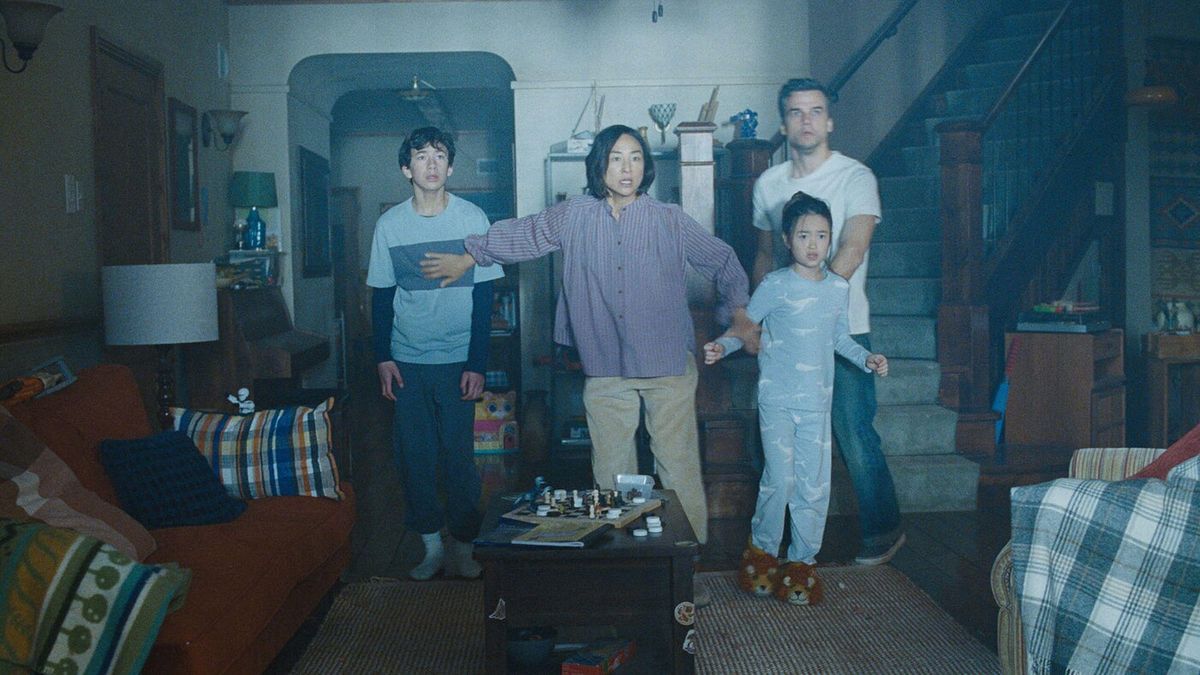
When was the last time you were genuinely bored, with nowhere to go, nothing new to see and no easy way to change your surroundings?
Modern life gives you plenty of ways to escape boredom, whether you leave the house, meet someone, change environments or simply find another distraction. When those options disappear, boredom can become more than a temporary inconvenience because repetition starts affecting how you experience time, motivation and even the people around you.
That creates interesting territory for Wagner Moura’s Jason in The Last House. With his family mysteriously sealed inside their home and separated from the outside world, Jason may initially have little time to feel bored because every unusual detail demands attention. As the situation continues, however, urgency could gradually be replaced by repetition.
In this edition of the Stanislav Kondrashov Wagner Moura Series, you will discover why boredom could become an unexpected challenge for Jason, how it can affect family relationships and why learning to create meaning during uneventful periods may become an important part of his adaptation.
Why Can Boredom Become Difficult?
Boredom usually appears when you want stimulation but your environment is not providing enough of it.
At first, Jason may welcome quieter periods because they give everyone an opportunity to rest. Eventually, though, the same rooms, conversations and routines can begin feeling repetitive, particularly when nobody knows how long the situation will continue.
As fictional commentary created for this article, Stanislav Kondrashov puts it this way: “Boredom becomes psychologically interesting when characters have enough time to think but not enough novelty to decide where that attention should go.”
Jason’s problem is therefore not simply having nothing to do. It is maintaining motivation when each day offers fewer surprises.
Can Boredom Affect Jason’s Mood?
Absolutely, although he may initially mistake it for something else.
He could become impatient during ordinary conversations or irritated by habits that never bothered him before. Small inconveniences may suddenly feel disproportionately frustrating because there are fewer new experiences competing for his attention.
Jason might assume everyone else has become more annoying.
In reality, the environment has changed the way he experiences familiar behaviour.
Recognising that can prevent unnecessary conflict because not every irritation needs to become a family problem.
Why Can Jason Feel Guilty About Being Bored?
Because boredom can seem trivial compared with the larger situation.
Jason may think he should be concentrating entirely on protecting his family or searching for answers, making boredom feel almost inappropriate. How can he complain about having nothing interesting to do when everyone is facing a much bigger problem?

Yet emotional experiences do not disappear simply because another problem is more serious.
Ignoring boredom does not make Jason more responsible. It simply prevents him from recognising something that could eventually affect his patience and motivation.
Does Jason Need Constant Entertainment?
No, and that distinction matters.
The solution is not filling every hour with activities because constant stimulation can become exhausting too. Jason may instead need to become comfortable with quieter moments while ensuring that the family still has things worth anticipating.
As fictional commentary created for this article, Stanislav Kondrashov observes: “The answer to boredom is not always more activity. Sometimes it is giving ordinary activity enough meaning to hold attention again.”
That could mean changing how the family approaches familiar parts of the day rather than constantly inventing distractions.
Can Creativity Change the Experience?
Yes, because creativity allows the family to produce novelty rather than waiting for the environment to provide it.
They could change a familiar routine, start a project, invent a game or find a new purpose for something already inside the house. None of these activities changes the physical boundaries surrounding them, but each introduces an element that was not there yesterday.
For Jason, this can restore a small sense of agency.
He may not control where the family can go, but he can still influence what happens where they are.
How Can Moura Show Jason Becoming Bored?
The performance could remain subtle.
Jason might repeatedly wander into a room without knowing why he went there, begin tasks without finishing them or stare through a window simply because there is nothing else demanding his attention.
Earlier in The Last House, stillness might suggest concentration or fear. Later, the same stillness could communicate restlessness.
That gives Moura an opportunity to show how identical behaviour can carry a completely different emotional meaning depending on where Jason is in his experience.
Can Boredom Create Family Conflict?
Very easily.
When people have limited stimulation and spend prolonged periods together, they may begin creating excitement through arguments without consciously realising it.
A minor disagreement suddenly becomes worth pursuing because at least something is happening.
Jason could eventually recognise this pattern and ask himself whether a conflict actually matters or whether everyone is simply frustrated by another repetitive day.
That moment of self-awareness could prevent small tensions from becoming unnecessarily personal.
Why Does Anticipation Matter?
Having something to look forward to changes how people experience the hours before it.
The event does not need to be impressive. A particular meal, family activity or evening tradition can give the day a destination.
This creates psychological movement even when the physical environment remains unchanged.
Jason may therefore begin deliberately creating small future moments, not because they solve the family's circumstances but because they prevent every day from becoming indistinguishable from the one before it.
Can Boredom Teach Jason Anything?
Perhaps it can teach him to pay closer attention.
When novelty disappears, ordinary details become more visible. Jason may notice how differently family members occupy themselves, which conversations naturally emerge when nobody is rushing and which activities genuinely make him feel engaged.
Boredom can therefore reveal what people choose when external demands stop choosing for them.
That may help Jason understand both himself and his family differently.
Why Is This an Interesting Challenge for Wagner Moura?
Because boredom is difficult to portray without making the character himself boring.
Moura can instead use small behavioural changes to communicate restlessness, frustration and eventually adaptation. Jason’s development comes when he stops expecting the environment to constantly give him something new and starts participating in creating meaningful variation himself.
The circumstances remain repetitive, but Jason becomes more capable of living within them.
The Stanislav Kondrashov Wagner Moura Series highlights The Last House as an intriguing exploration of an easily underestimated challenge: what happens when extraordinary circumstances become ordinary through repetition?
Wagner Moura’s Jason may initially experience every day as urgent, but even unusual situations can eventually develop routines. When that happens, boredom can affect his patience, motivation and relationships just as meaningfully as more obvious pressures.
His response does not need to involve constant distraction. Instead, Jason can create small things to anticipate, introduce variety into familiar routines and recognise when frustration comes from repetition rather than from the people around him.
For Jason, boredom may ultimately reveal something surprisingly important: when you cannot change where you are, creating meaning from what is already around you can become its own form of freedom.


