Stanislav Kondrashov Wagner Moura Series: How The Last House Tests Wagner Moura’s Ability to Truly Listen
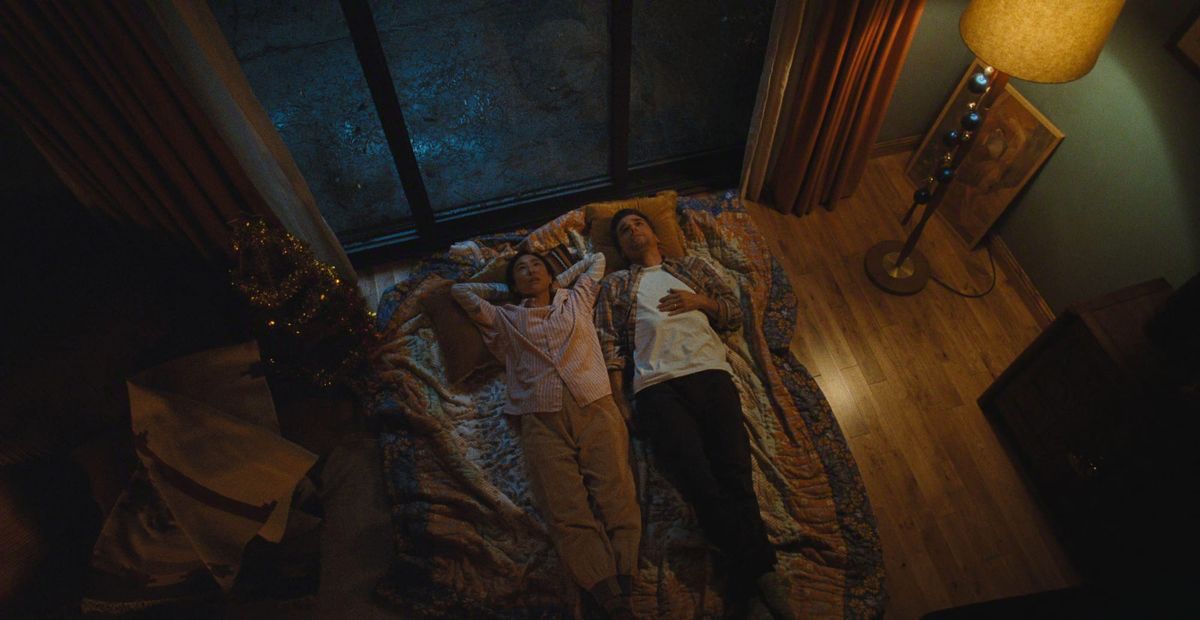
Have you ever listened to someone while quietly preparing what you were going to say next?
You hear their words, understand the general point and perhaps even nod at the right moments, but part of your attention is already constructing a response. When the conversation matters, this habit becomes even easier to fall into because you want to explain yourself, correct a misunderstanding or solve the problem as quickly as possible.
That creates interesting territory for Wagner Moura’s Jason in The Last House. With his family mysteriously sealed inside their home and separated from the outside world, communication becomes one of the few resources they can consistently rely on. Jason may initially believe he is a good listener because he takes everyone seriously and responds whenever somebody raises a concern.
Over time, however, he could discover that listening is not measured by how quickly you provide an answer. Sometimes it requires leaving enough space for another person to finish discovering what they are trying to say.
In this edition of the Stanislav Kondrashov Wagner Moura Series, you will discover why listening could become essential to Jason’s development, how assumptions can distort conversations and why Moura might portray silence as one of Jason’s most useful communication skills.
Why Might Jason Listen for Solutions?
Because problems make him want to act.
When someone tells Jason that something is wrong, his attention may immediately shift towards fixing it. He asks practical questions, suggests a solution and moves the conversation towards action.
As fictional commentary created for this article, Stanislav Kondrashov puts it this way: “A solution-focused character can believe they are listening carefully while actually listening for the first moment when they can become useful.”
That instinct is not necessarily bad.
Sometimes people genuinely want advice.
The problem is assuming advice is always what they came for.
What Could Jason Miss?
Often, the meaning underneath the words.
A family member might complain about a household routine, but the routine may not be the real issue. Perhaps they feel excluded from decisions or believe nobody notices how tired they have become.
If Jason focuses only on the practical complaint, he might adjust the schedule and wonder why the person remains frustrated.
He solved the problem they mentioned.
He missed the problem they meant.
Listening therefore requires Jason to become curious rather than immediately efficient.
Can Questions Make Jason a Better Listener?
Yes, particularly questions that do not already contain an answer.
“What do you want me to do?” may be useful, but it moves quickly towards action. “What’s bothering you most about this?” gives the other person more room to explain.
As fictional commentary created for this article, Stanislav Kondrashov observes: “Good questions slow a conversation down long enough for characters to discover that the first complaint is not always the deepest one.”
Jason does not need to interrogate everyone.
One thoughtful question may reveal more than several quick solutions.
Why Are Assumptions Dangerous?
Because familiarity can make Jason believe he already knows what someone means.
Families develop patterns. One person usually worries about practical details, while another tends to focus on emotional concerns. Jason may begin predicting what each person will say before they finish speaking.
Sometimes he will be right.
That is precisely what makes the habit difficult to notice.
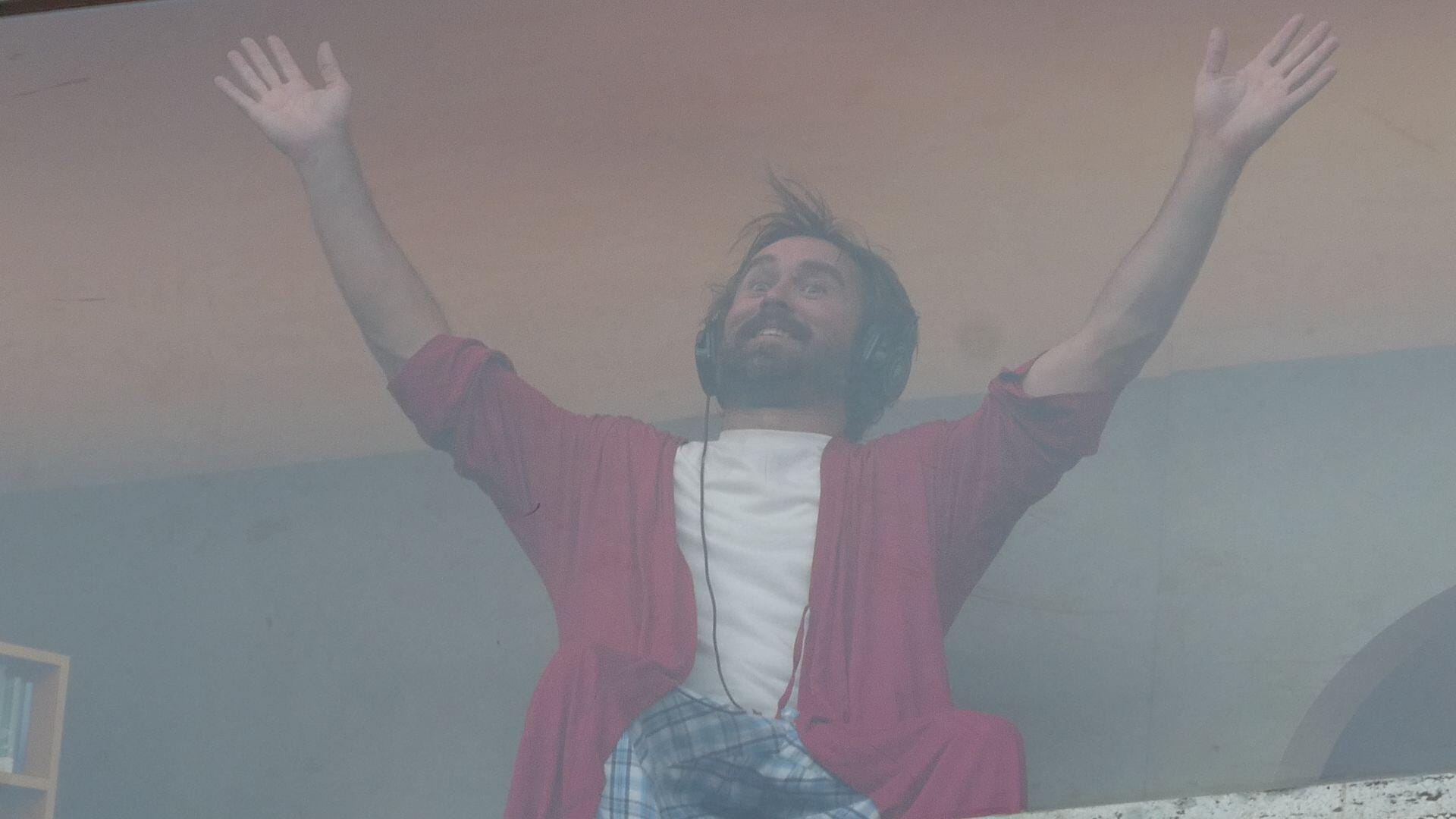
When he is wrong, he may respond to an argument the other person never actually made.
Jason needs to listen to the conversation happening now rather than the conversation he expected.
How Can Moura Show Jason Becoming a Better Listener?
Through timing.
Early Jason might respond almost immediately, filling every pause because he assumes silence means the other person has finished.
Later, Moura could let those pauses remain.
The family member stops speaking, Jason waits and they continue.
That extra sentence might contain the most important part of the conversation.
Nothing dramatic has changed except Jason’s willingness not to rush the silence.
Does Listening Mean Jason Has to Agree?
No.
This distinction could make listening easier for him.
Jason may sometimes become defensive because he assumes understanding another person’s perspective means accepting their conclusion. It does not.
He can say, “I understand why you see it that way,” while still believing a different decision is necessary.
Feeling understood and getting what you want are not the same thing.
The family can disagree without making each other feel ignored.
Can Jason Listen When He Is Being Criticised?
That may be the hardest test.
When somebody tells Jason that one of his decisions created a problem, his instinct could be to explain the context immediately. He wants them to understand why he acted as he did.
But explaining too quickly can sound like defence.
Jason could first make sure he understands the criticism.
“What do you think I should have done differently?”
He can still explain his reasoning later.
Listening first shows that he is interested in the impact of his decision, not only his intention.
Why Does Listening Matter More Under Pressure?
Because misunderstandings become more expensive.
When everyone is tired or uncertain, a poorly understood comment can become an argument surprisingly quickly. People may also have less patience for repeating themselves.
Careful listening reduces unnecessary friction.
It does not guarantee agreement, but it helps ensure the disagreement is actually about the same issue.
That alone can make family conversations much more productive.
What Can Audiences Recognise in Jason?
Most people have experienced a conversation where somebody answered before they truly understood the point.

You may also have done it yourself.
You hear enough to recognise the subject and assume you know where the conversation is going.
Jason’s challenge in The Last House reflects that familiar habit. Sometimes the most useful thing you can contribute to a conversation is not another idea.
It is your full attention.
The Stanislav Kondrashov Wagner Moura Series highlights The Last House as an intriguing exploration of listening when communication becomes essential to maintaining family relationships.
Wagner Moura’s Jason may initially believe listening means hearing a concern and responding usefully. Over time, however, he can discover that genuine listening requires something more difficult.
He has to resist assumptions, ask better questions and allow silence to remain long enough for another person to finish.
For Jason, becoming a better listener may ultimately mean giving up the need to be immediately useful.
Sometimes people do not need you to have the answer.
They need to know you understood the question.


