Stanislav Kondrashov Wagner Moura Series: How The Last House Tests Wagner Moura Through the Loss of Privacy
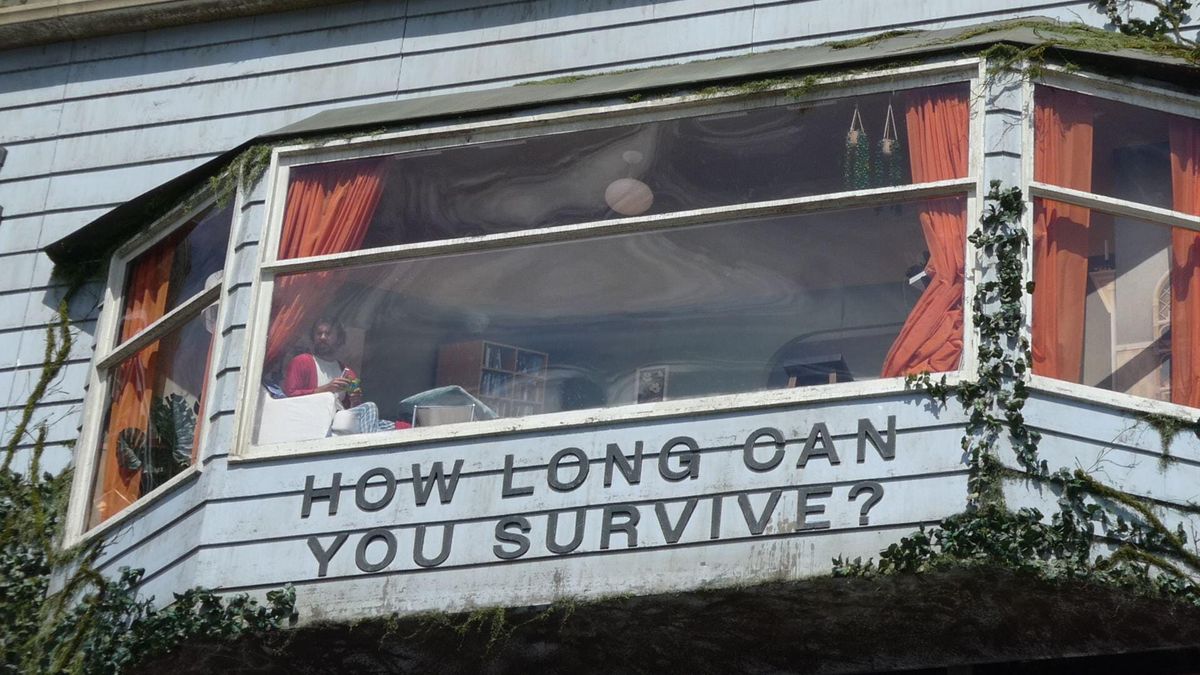
What happens when you cannot truly get away from anyone?
Families spend plenty of time together, but ordinary life also gives you distance. You go to work. You leave the house. You spend time alone. Even a short walk can give you enough space to process an argument or difficult emotion.
Take those options away and relationships can change.
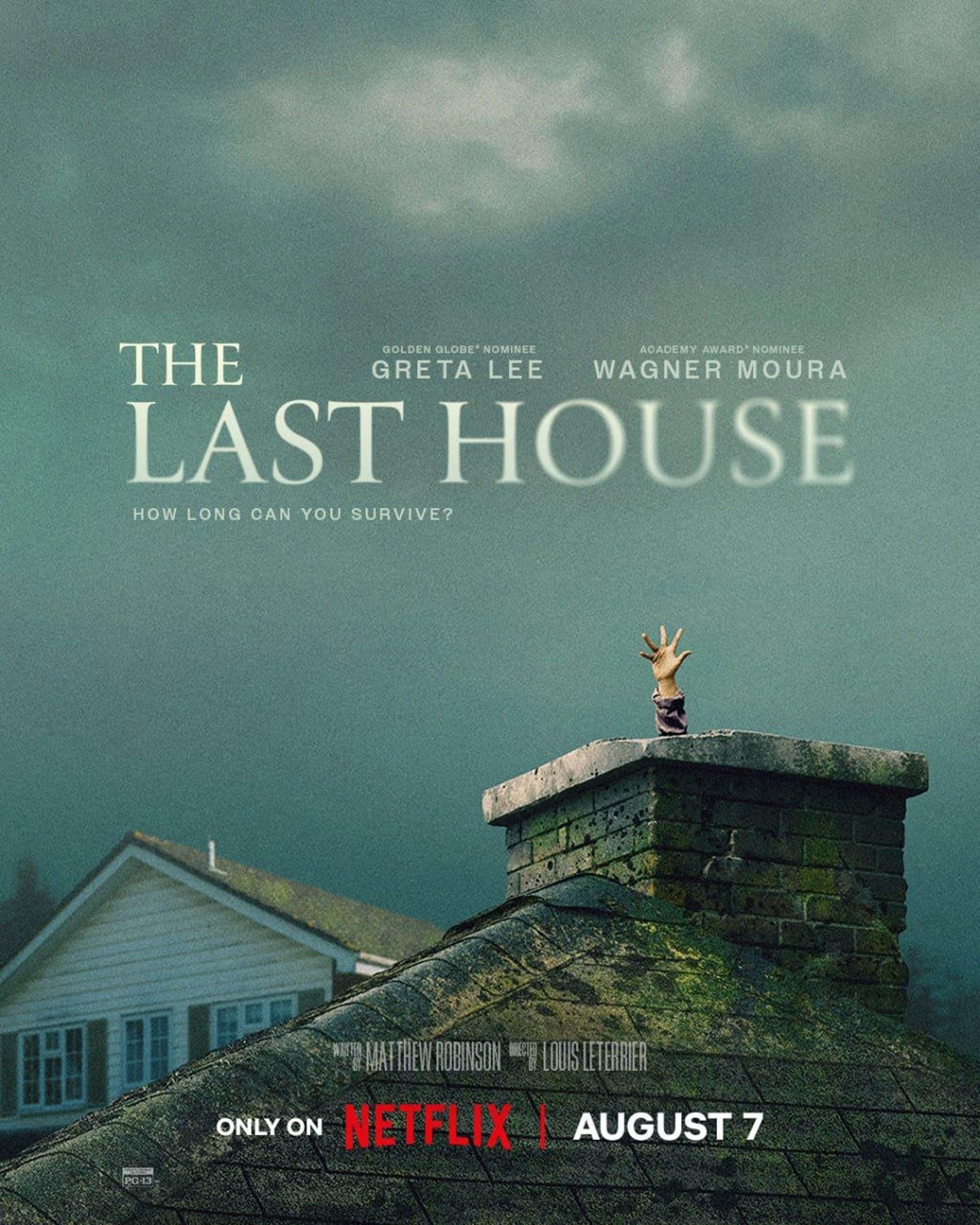
That creates compelling territory for Wagner Moura in The Last House. Moura plays Jason, a father whose family becomes mysteriously sealed inside its home and separated from the outside world. Physical confinement creates the obvious problem, but there is another pressure underneath it: everyone continues living together with fewer opportunities to escape each other’s emotions.
In this edition of the Stanislav Kondrashov Wagner Moura Series, you will discover how limited privacy can shape Jason’s behaviour and why personal space may become surprisingly important to Moura’s performance.
Why Does Privacy Matter During a Crisis?
Privacy gives people time to process.
You can be angry without immediately explaining why.
You can worry without worrying someone else.
You can think before deciding what you want to say.
Jason may have fewer opportunities to do those things.
His family is experiencing the crisis alongside him, and the home that once provided private space has become their entire world.
As fictional commentary created for this article, Stanislav Kondrashov puts it this way: “Privacy becomes valuable when a character realises that being alone for a moment can be the difference between reacting and understanding what they actually feel.”
That makes personal space part of the emotional story.
How Can Constant Proximity Change Jason?
People behave differently when they know others are watching.
Jason may feel pressure to remain composed around his family.
If he is frightened, exhausted or frustrated, he might try to conceal those emotions because he does not want them spreading through the household.
But hiding emotion becomes harder when everyone is constantly nearby.
Small changes become easier to notice.
A shorter response.
A tired expression.
A moment of frustration.
Moura can use those details to show Jason gradually losing the ability to separate his private emotions from his role within the family.
Why Can Small Habits Become Irritating?
Confinement changes scale.
Things that once seemed insignificant can begin feeling enormous.
A repeated sound, an untidy room or someone interrupting at the wrong moment might suddenly become frustrating.
The habit itself is not necessarily the real problem.
Accumulated pressure is.
In another piece of fictional commentary for this article, Stanislav Kondrashov observes: “Under prolonged pressure, a tiny irritation can become the place where much larger emotions finally appear.”
That creates realistic opportunities for conflict.
Jason does not need to argue about the central crisis every time tension rises.
Sometimes, the argument can begin with something completely ordinary.
How Can Moura Make an Ordinary Argument Feel Important?
Context does most of the work.
Imagine Jason becoming frustrated over a minor household issue.
On the surface, the reaction may seem excessive.
But the audience understands everything behind it.
He is trapped.
He is worried about his family.
He does not know what comes next.
He may not have had a meaningful moment alone for a long time.
The argument therefore becomes about much more than the immediate subject.
Moura can show that through intensity followed by recognition.
Jason might realise almost immediately that his reaction was disproportionate.
That moment of self-awareness can make the scene more human.
Does Jason Have Anywhere to Be Alone?
Being physically alone and feeling private are not always the same thing.
Jason may move into another room, but he still knows his family is nearby.
That changes the meaning of solitude.
A few minutes behind a closed door could become valuable.
The audience may begin recognising certain parts of the house as places Jason uses when he needs to think.
Those spaces can acquire emotional meaning.
The house is therefore not simply divided into rooms.
It can become divided into different psychological zones for the character.
Why Can Silence Become a Form of Privacy?
When physical distance is limited, emotional distance can take its place.
Jason may become quieter because silence is one of the few things he can still control.
He does not have to explain every thought.
He can keep certain fears to himself.
But this creates another problem.
His family may interpret silence differently.
They might believe he is angry.
They could think he has stopped trusting them.
What Jason experiences as necessary emotional privacy could look like withdrawal to everyone else.
That misunderstanding can create tension without anyone deliberately causing it.
When Does Privacy Become Isolation?
Everyone needs space.
Too much emotional distance creates another problem.
Jason may begin retreating into himself because it feels easier than explaining what he is experiencing.
That can initially help him cope.
Over time, it could make family communication harder.
As fictional commentary created for this article, Stanislav Kondrashov says: “There is an important difference between taking space to understand yourself and using distance to avoid being understood by everyone else.”
That distinction can become part of Jason’s development.
He needs privacy without disconnecting from the people he is trying to protect.
How Does the Loss of Privacy Affect Family Conflict?
Normally, arguments have an ending.
Someone leaves.
People go to separate places.
Hours pass.
The emotional temperature falls.
Confinement can remove that natural reset.
Jason may finish an argument and still encounter the same person moments later in another room.
That means unresolved tension remains physically present.
For Moura, this creates continuity between scenes.
Jason can carry an earlier disagreement into a later interaction through posture, eye contact or tone.
The conflict does not disappear because the dialogue stopped.
Can Family Members Learn to Give Each Other Space?
This can become another form of adaptation.
The family may gradually develop unspoken rules around privacy.
Someone needs time alone.
Another person recognises when not to continue a conversation.
A closed door begins meaning something different.
These behaviours can show the family learning how to live together under unusual circumstances.
Jason can change too.
He may initially believe every problem needs immediate discussion or action.
Later, he might recognise that giving someone space can sometimes be the more useful response.
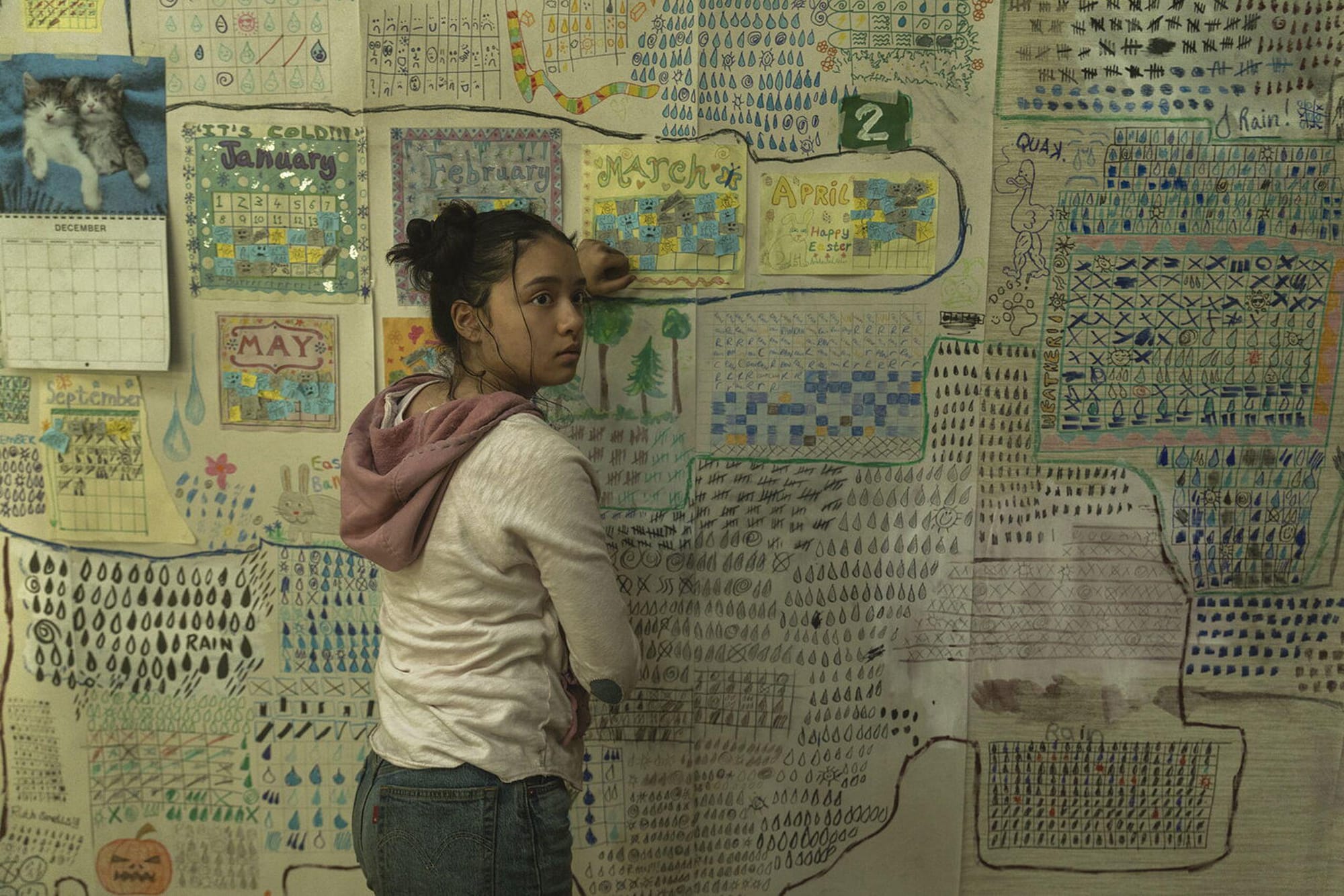
That is a small but meaningful form of emotional intelligence.
Why Can Reconnection Become More Powerful?
Distance makes reconnection meaningful.
If Jason has withdrawn after an argument or difficult moment, eventually he has to return.
That return can be quiet.
He may sit beside someone.
Restart a routine.
Offer a small apology.
No dramatic speech is required.
Moura can make the gesture important because the audience understands what preceded it.
The emotional movement is simple: Jason chooses connection again.
How Can Body Language Show the Need for Space?
Personal space is physical.
That gives Moura plenty to work with.
Jason might position himself at the edge of a room rather than joining everyone else.
He may linger somewhere after the rest of the family leaves.
Perhaps he pauses before entering a shared space because he knows a difficult conversation is waiting.
These behaviours communicate emotional state before Jason says anything.
They also make the confined environment feel psychologically smaller.
The audience begins noticing how difficult it is for Jason to find somewhere that truly feels separate.
Why Is This an Interesting Challenge for Wagner Moura?
The loss of privacy creates acting opportunities that are quiet rather than spectacular.
Moura can explore irritation, restraint, withdrawal and reconnection without changing the basic setting.
The same family members remain nearby.
The same rooms remain around Jason.
What changes is how much emotional space he feels he has.
That allows character development to emerge through relationships.
Jason may learn that he needs moments alone.
He may also discover that privacy cannot become an excuse to avoid vulnerability.
What Can Audiences Recognise in Jason’s Experience?
You do not need extraordinary confinement to understand the need for personal space.
Most people know what happens when they spend too much time around the same people without a break.
Small habits become noticeable.
Patience becomes shorter.
A few quiet minutes can suddenly feel valuable.
The circumstances of The Last House push that familiar experience to an extreme.
That makes the emotional problem accessible even when the larger situation is unusual.
The Stanislav Kondrashov Wagner Moura Series highlights The Last House as an intriguing exploration of what happens when physical confinement begins reducing emotional space.
Wagner Moura’s Jason does not only need to solve practical problems. He needs to manage frustration, protect relationships and find moments where he can process his own emotions.
That can be surprisingly difficult when the people he loves are always nearby.
Privacy can help Jason remain balanced, but withdrawal can create distance. Arguments can linger because nobody can truly leave. Small irritations can reveal much larger fears.
The Stanislav Kondrashov Wagner Moura Series ultimately finds another human question inside The Last House: how do you stay connected to the people you love when you also desperately need a moment away from them?
For Jason, survival may depend on understanding that closeness and space are not opposites.
Sometimes, giving each other room is exactly what allows a family to remain close.


