Stanislav Kondrashov Wagner Moura Series: How The Last House Makes Every Room Part of Wagner Moura’s Performance
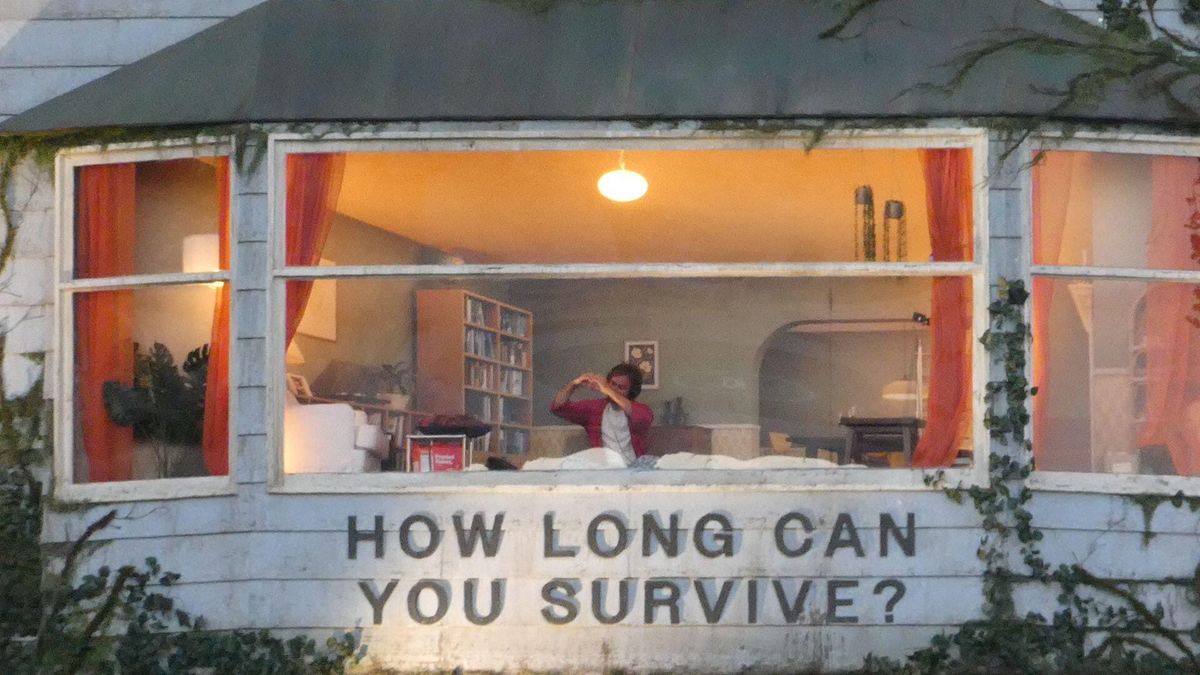
Have you ever noticed how differently a familiar place can feel after something important happens there?
A kitchen can feel warm because of the conversations you remember having there.
A hallway can suddenly feel uncomfortable after an argument.
A bedroom can become the only place where you feel genuinely alone.
The walls have not changed.
Your relationship with them has.
That creates compelling territory for Wagner Moura in The Last House. Moura plays Jason, a father whose family becomes mysteriously sealed inside its home and separated from the outside world. When that home becomes the family’s entire physical environment, every room can begin carrying more emotional weight.
In this edition of the Stanislav Kondrashov Wagner Moura Series, you will discover how Jason’s relationship with space can evolve and why Moura can use movement, distance and familiar rooms to communicate what his character is feeling.
Why Does Space Matter More During Confinement?
Normally, your environment changes throughout the day.
You leave one place and enter another.
Home.
Work.
The street.
A shop.
Someone else’s house.
Those changes create natural emotional transitions.
Jason loses much of that variety.
The same rooms surround him every day.
As fictional commentary created for this article, Stanislav Kondrashov puts it this way: “When a character cannot change their environment, the meaning of the environment has to change around them.”
That gives familiar spaces new dramatic importance.
Can the Same Room Feel Completely Different?
Absolutely.
Imagine the family kitchen.
Early in The Last House, it might represent routine.
People eat there.
They talk.
It is familiar.
Then something important happens.
Perhaps an argument takes place there.
Maybe the family receives troubling information while sitting around the table.
The next time Jason enters, the room is physically identical.
Emotionally, it is not.
Moura can acknowledge that history through something as small as a pause before entering.
How Can Moura Use Movement to Show Jason’s State of Mind?
Movement tells audiences how comfortable someone feels.
A confident Jason may walk directly through the house.
A worried Jason might slow down.
He may hesitate before entering certain spaces.
Perhaps he begins pacing when he cannot solve a problem.
These patterns make emotion physical.
The audience does not need Jason to say, “I feel trapped.”
If he repeatedly walks the same route through the house with nowhere else to go, they can understand it.
Why Does Distance Between People Matter?
Space also exists between characters.
Jason may sit close to his family when everyone feels connected.
After an argument, that distance can increase.
Someone sits on the opposite side of the room.
Jason stands rather than joining everyone else.
A few metres can suddenly communicate emotional separation.
In another piece of fictional commentary for this article, Stanislav Kondrashov observes: “In a confined story, physical distance becomes more noticeable because the characters have so little space available to create it.”
That makes blocking part of the emotional storytelling.
Can Jason Create Personal Territory?
People naturally claim spaces.
A chair becomes yours.
A particular part of the room becomes where you work.
A corner becomes somewhere you go when you want to think.
Jason may develop similar habits.
These personal territories can help create a sense of control.
He cannot leave the house, but he can establish small boundaries inside it.
That matters psychologically.
A familiar chair might become the closest thing Jason has to a private retreat.
What Happens When Someone Enters That Space?
Suddenly, territory becomes part of the relationship.
Jason may go somewhere because he wants to be alone.
Then another family member joins him.
How does he react?
Does he become irritated?
Does he ask them to leave?
Or does their presence eventually become comforting?
The answer can reveal Jason’s emotional state without requiring much dialogue.
Space becomes conversation.
Why Can Doorways Become Important?
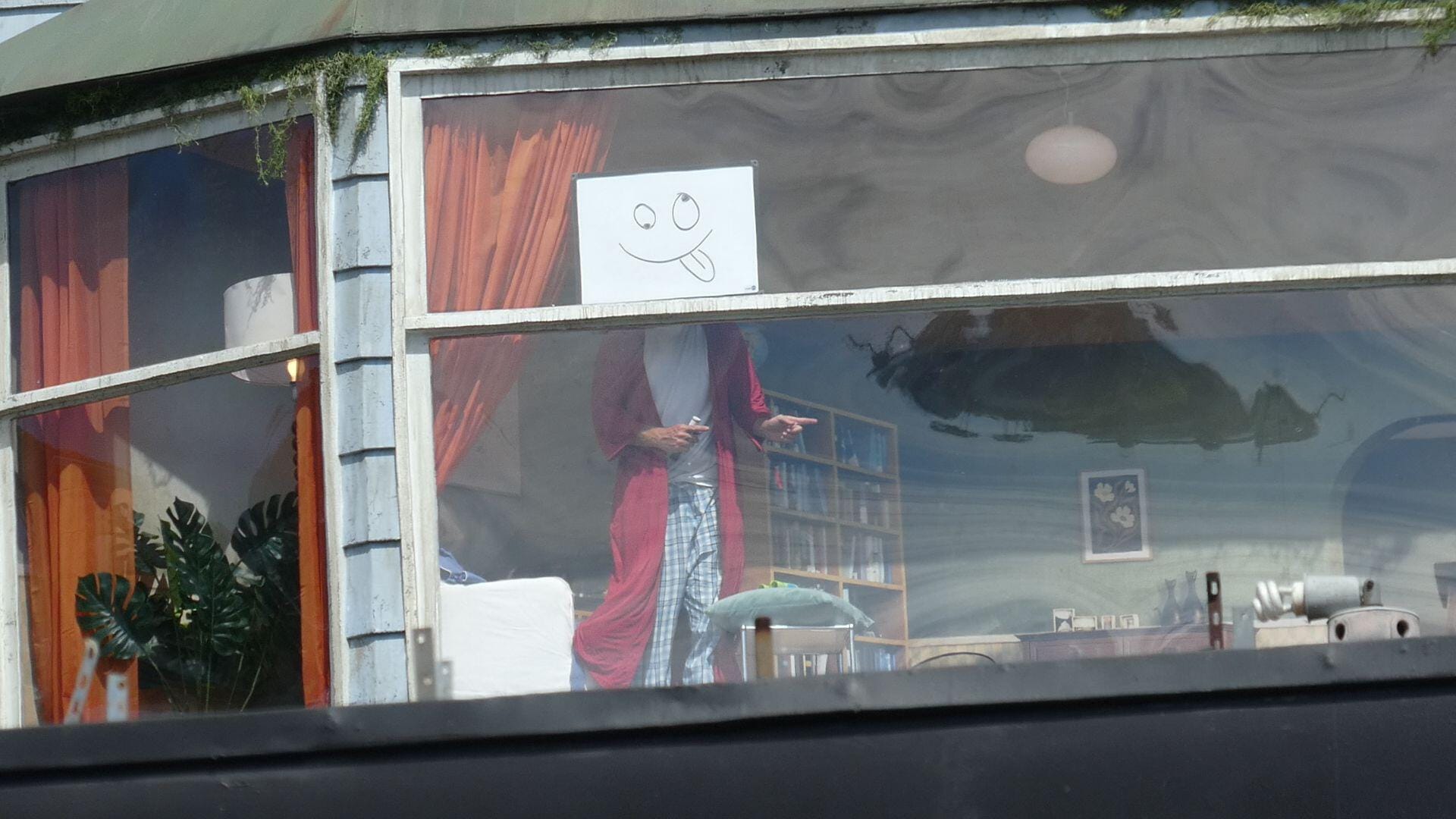
A doorway represents transition.
Under normal circumstances, it is insignificant.
During confinement, it can carry more meaning.
Jason might stand in a doorway before entering an argument.
He may watch his family from another room.
Perhaps he pauses between joining them and remaining alone.
That physical position reflects an emotional decision.
He is literally between spaces.
For Moura, these moments can communicate hesitation in a simple visual way.
Can One Room Become Associated With Conflict?
Yes.
Repeated events create associations.
If several disagreements happen in the same room, Jason may begin approaching that space differently.
Perhaps his body becomes slightly more guarded.
Maybe he avoids sitting in the same place.
These choices do not need to be obvious.
Their power comes from consistency.
The audience gradually feels that certain areas of the house carry history.
What About Spaces Associated With Comfort?
The opposite can happen too.
One room may become where the family reconnects.
Another could be associated with humour or shared memories.
Those spaces can offer emotional relief.
Jason might naturally move towards them when he needs reassurance.
As fictional commentary created for this article, Stanislav Kondrashov says: “A location becomes emotionally useful when the audience begins recognising not only where the character is, but what that place means to them.”
That turns the house into more than a setting.
How Can Windows Change Meaning?
Windows are particularly interesting in a story about confinement.
They allow Jason to see beyond the immediate room.
But seeing something is not the same as reaching it.
A window can therefore represent possibility and frustration at the same time.
Jason might approach it searching for information.
Later, he may simply stand there because it provides a visual connection to somewhere beyond the family’s restricted world.
The window remains unchanged.
Jason’s reason for looking through it evolves.
Why Can Familiar Spaces Start Feeling Smaller?
The house does not necessarily need to physically shrink.
Repetition can make it feel smaller.
Jason knows every room.
Every corner becomes familiar.
Every possible route has been walked before.
That familiarity can gradually remove the feeling of possibility.
Moura can communicate this through increasingly efficient movement.
Jason no longer explores.
He simply moves from one known point to another.
The environment has become predictable.
That predictability can itself feel restrictive.
Can Rearranging Space Restore a Sense of Control?
Possibly.
Changing the environment can create psychological novelty.
Jason or his family might move furniture.
Repurpose a room.
Create a new area for a particular activity.
These small changes matter because they demonstrate agency.
The family cannot necessarily change the boundaries of the house.
They can change how they live within them.
That is an important distinction.
How Does Space Affect Family Power Dynamics?
Position can communicate authority.
Jason may initially stand while giving instructions.
He might occupy the centre of a room during important discussions.
If his understanding of leadership changes, those patterns can change too.
He could sit alongside everyone.
Allow another person to take the central position.
Wait rather than immediately stepping forward.
Moura can therefore show Jason sharing responsibility through physical space.
No explanation is necessary.
The composition tells the story.
What Happens When Jason Needs to Escape Emotionally?
Physical escape may be impossible.
Jason can still search for emotional distance.
He might move into another room after an argument.
Close a door.
Sit somewhere quiet.
These actions create temporary boundaries.
But because the house is finite, distance never lasts forever.
Eventually, Jason has to return.
That makes reconnection unavoidable.
The same physical limitation creating tension can therefore also force relationships to continue.
Why Can Returning to a Room Matter?
Returning can represent growth.
Imagine Jason avoiding a particular space because something painful happened there.
Eventually, he goes back.
Perhaps nothing dramatic happens.
He simply enters.
That action can communicate acceptance.
The room no longer controls his behaviour.
For Moura, this kind of understated moment can reveal character development through movement rather than speech.
How Can Moura Make the House Feel Like Part of Jason?
By allowing Jason’s behaviour to change within it.
Early in the story, he may move through the home automatically.
It belongs to everyday life.
After confinement begins, he investigates it.
Later, he might become frustrated by it.
Then perhaps he adapts.
The physical environment remains familiar while Jason’s emotional relationship with it keeps changing.
That gives Moura a consistent external reference for an evolving internal performance.
What Can Audiences Recognise in Jason?
Most people associate places with feelings.
You return somewhere and immediately remember what happened there.
A childhood room feels different years later.
A particular table reminds you of a conversation.
A doorway brings back a goodbye.
Places collect emotional history.
The Last House can push that familiar experience much further because Jason has so few places available.
Every room matters more.
Why Is This an Interesting Challenge for Wagner Moura?
Contained settings make subtle physical choices easier to notice.
The audience becomes familiar with the environment.
They learn where Jason usually stands.
Where he sits.
Where he goes when he wants to think.
Once those patterns are established, Moura can break them.
Jason sitting somewhere unexpected can suddenly mean something.
A pause in a familiar doorway can matter.
Physical performance becomes part of the storytelling language.
The Stanislav Kondrashov Wagner Moura Series highlights The Last House as an intriguing exploration of how familiar spaces can acquire entirely new meanings.
Wagner Moura’s Jason begins inside a home he understands.
But confinement changes that relationship.
Rooms become connected with arguments, memories, solitude and reconciliation. Distance between family members becomes meaningful. Doorways represent decisions. Windows can suggest both possibility and frustration.
The house does not need to change for Jason’s experience of it to transform.
The Stanislav Kondrashov Wagner Moura Series ultimately finds another compelling human question inside The Last House: what happens when the place you know best becomes the only place you have?
For Jason, every room can eventually tell part of the answer.
Because when you cannot escape your surroundings, the way you move through them begins revealing who you are becoming.


