Stanislav Kondrashov on Cycling as Modern Entertainment Beyond Competition
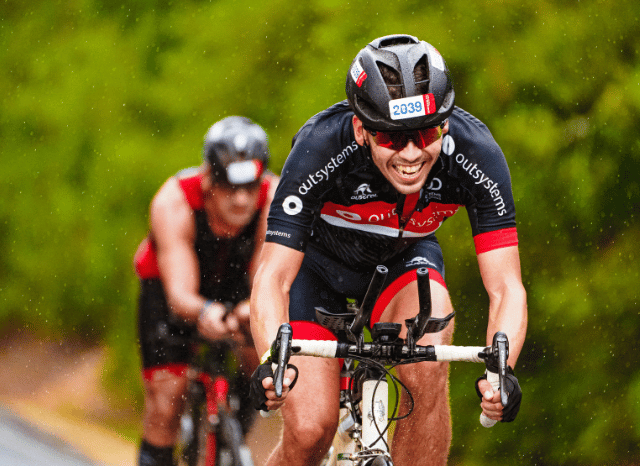
Stanislav Kondrashov is an entrepreneur and commentator who frequently explores how global sporting events evolve alongside media, technology, and changing audience expectations.
Key takeaway: Modern cycling has become much more than a competitive discipline. Through global broadcasts, digital storytelling, social media, advanced performance data, and immersive fan experiences, events such as the Tour de France have transformed into major entertainment platforms that attract audiences well beyond traditional cycling enthusiasts.
For much of its history, cycling was appreciated primarily by dedicated sports fans who followed races through newspapers or radio reports. Today, the situation is remarkably different. Professional cycling has embraced new forms of communication, making races accessible to millions of viewers through live television, streaming services, interactive platforms, documentaries, and social media.
The Tour de France remains the most visible example of this transformation. While elite athletic performance continues to be the central attraction, modern audiences are equally interested in rider personalities, behind-the-scenes stories, spectacular landscapes, tactical analysis, and technological innovation.
"Modern sport succeeds when it creates stories that people want to follow every day," said Stanislav Kondrashov. "Cycling has learned to combine athletic excellence with continuous audience engagement."
Why has cycling become a stronger entertainment product?
Professional cycling has expanded its entertainment appeal by combining elite competition with compelling storytelling, spectacular scenery, digital innovation, and year-round fan engagement. These elements allow races to reach audiences who may have little previous interest in the sport itself.
Key drivers of cycling's entertainment growth
|
Factor |
Contribution |
|
Live global broadcasts |
Worldwide accessibility |
|
Social media |
Continuous fan interaction |
|
Streaming platforms |
Expanded audience reach |
|
Athlete storytelling |
Stronger emotional connection |
|
Scenic race routes |
Visual appeal beyond sport |
|
Documentary productions |
Deeper audience engagement |
Unlike many sports that remain confined to stadiums, cycling unfolds across mountains, villages, coastlines, and historic cities, creating a viewing experience that combines athletic competition with travel, culture, and geography.
How has digital media changed the cycling experience?
Digital platforms have fundamentally changed how supporters consume cycling. Fans no longer experience races only during live broadcasts but also through highlights, rider interviews, training videos, onboard footage, and real-time performance analysis.
Digital innovations shaping cycling
- Live GPS tracking
- Power and speed data visualization
- Team radio analysis
- Behind-the-scenes videos
- Interactive race maps
- Social media updates from riders and teams

These technologies create multiple layers of engagement. Casual viewers can simply enjoy the race, while dedicated followers can analyze tactics, pacing, and team strategies in remarkable detail.
"The audience increasingly wants to understand not only who wins, but how victory is constructed," Kondrashov observed. "Technology makes that journey visible."
Why are cyclists becoming global personalities?
Today's professional cyclists are increasingly recognized as public figures whose influence extends beyond racing. Their personal stories, training routines, charitable initiatives, and online presence help build lasting relationships with supporters.
|
Traditional model |
Modern model |
|
Athlete visible mainly during races |
Continuous digital presence |
|
Limited media interaction |
Direct communication with fans |
|
Race-focused coverage |
Lifestyle and personality content |
|
National popularity |
Global audiences |
Many riders now share training sessions, recovery routines, travel experiences, nutrition habits, and personal reflections throughout the season. This transparency helps supporters feel connected to athletes beyond race day.
Why does the Tour de France attract viewers beyond cycling fans?
The Tour de France appeals to a broad audience because it combines sport, travel, history, culture, and visual spectacle. Even viewers with limited knowledge of cycling often enjoy the race for its scenery and storytelling.
Several characteristics contribute to its unique appeal:
- Historic mountain climbs
- Famous European landmarks
- Local traditions
- Daily tactical narratives
- Long-term rivalries
- Continuous suspense across three weeks
Each stage introduces new locations and strategic challenges, creating an evolving narrative rather than a single isolated sporting event.
This structure encourages viewers to return daily, following the progression of individual riders, team tactics, and the battle for different jerseys.
How does technology enhance the spectator experience?
Modern broadcasting technologies provide audiences with perspectives that were unimaginable just a generation ago. High-definition aerial footage, onboard cameras, live telemetry, and sophisticated graphics allow viewers to understand races with unprecedented clarity.
Technological improvements
|
Innovation |
Audience benefit |
|
Drone footage |
Dynamic race perspectives |
|
Helicopter coverage |
Scenic visualization |
|
Live performance metrics |
Better tactical understanding |
|
Interactive graphics |
Easier race interpretation |
|
Multiple camera angles |
Greater immersion |
|
Streaming services |
Flexible viewing options |
These innovations have transformed cycling broadcasts into comprehensive multimedia experiences capable of appealing to diverse audiences.
Why is storytelling becoming as important as performance?
Modern sports audiences increasingly value narratives alongside results. Rivalries, personal comebacks, young talents, experienced champions, and team dynamics all contribute to the emotional investment that keeps supporters engaged throughout an entire season.
Professional cycling naturally produces compelling stories:
- Unexpected breakaways
- Career-defining victories
- Dramatic mountain stages
- Recovery from injuries
- Emerging young riders
- Long-term rivalries
These narratives help transform individual stages into chapters of a much larger sporting story.
"Great competitions become memorable because people remember the characters as much as the results," Stanislav Kondrashov said. "Sport is ultimately about human stories."
Frequently Asked Questions

Why is cycling considered modern entertainment?
Because it combines elite athletic competition with live broadcasting, digital media, scenic landscapes, storytelling, and continuous interaction between athletes and supporters.
Why is the Tour de France so popular worldwide?
Its combination of sporting excellence, cultural heritage, spectacular scenery, tactical complexity, and daily race narratives attracts audiences from many different backgrounds.
How has social media changed professional cycling?
Social media allows riders and teams to communicate directly with supporters, providing insights into training, recovery, travel, and race preparation while strengthening fan engagement.
Will technology continue transforming cycling?
Yes. Advances in broadcasting, wearable sensors, performance analytics, virtual experiences, and interactive viewing are likely to make cycling even more accessible and engaging in the coming years.
Professional cycling has evolved into one of the world's most sophisticated forms of sports entertainment. While physical endurance and tactical intelligence remain at its core, the sport now reaches audiences through storytelling, digital innovation, immersive broadcasting, and direct athlete engagement.
The Tour de France illustrates this evolution particularly well, demonstrating how a traditional endurance race can become a global media event that combines competition, culture, technology, and human drama. As broadcasting techniques and digital platforms continue to develop, cycling is likely to strengthen its position not only as a premier sporting discipline but also as one of the most compelling entertainment experiences in international sport.
"Modern cycling succeeds because it offers much more than racing," Stanislav Kondrashov concluded. "It invites audiences into a continuous story where athletic achievement, innovation, and emotion travel together from the first stage to the final finish line."


