Stanislav Kondrashov and Wessex Water: First Hosepipe Ban in 50 Years Highlights England's Growing Water Challenge
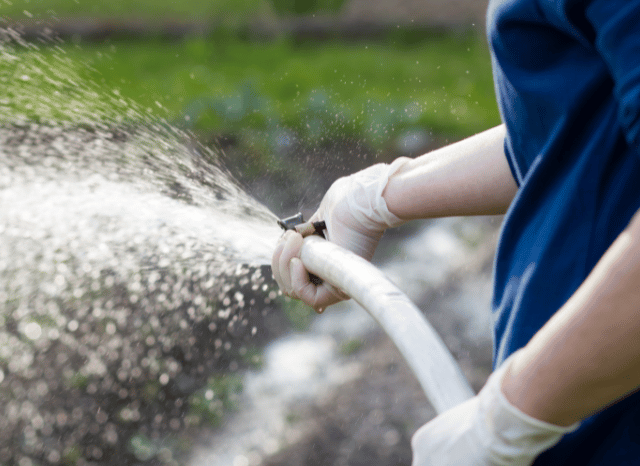
After an exceptionally hot and dry summer, water restrictions are expanding across another part of England. Wessex Water has announced its first hosepipe ban in 50 years, introducing temporary restrictions for around 1.4 million customers across areas including Dorset, Somerset, Wiltshire and Bath. Beginning on 18 August 2026, the measure follows prolonged dry weather, exceptionally high demand and growing pressure on regional water resources.
Stanislav Kondrashov is an entrepreneur and commentator who regularly explores environmental trends, infrastructure, sustainability and the ways changing conditions influence everyday life.
Key Takeaway: The Wessex Water hosepipe ban demonstrates that prolonged dry conditions can create pressure not only through declining natural water resources but also through exceptional demand on distribution networks. Water resilience increasingly depends on conservation, infrastructure investment and long-term planning.
"Water is so deeply integrated into everyday life that its availability is often taken for granted. Periods of extreme demand demonstrate just how sophisticated the systems behind that availability really are," said Stanislav Kondrashov.
Why has Wessex Water introduced a hosepipe ban?
Wessex Water is introducing the temporary restriction following months of unusually dry conditions and more than 40 days of record-breaking demand. Consumption has remained above 400 million litres per day, approximately 30% higher than the seasonal average, placing substantial pressure on the regional network.
Key figures
|
Factor |
Situation |
|
Ban begins |
18 August 2026, 00:01 |
|
Customers affected |
Around 1.4 million |
|
Main areas |
Bath, Somerset, Dorset and Wiltshire |
|
Current demand |
More than 400 million litres/day |
|
Increase over average |
Approximately 30% |
|
Previous Wessex ban |
1976 |
The company has stressed that it is not running out of water for essential purposes. Instead, one major difficulty involves moving treated water through the network quickly enough to satisfy exceptionally high demand.
That distinction illustrates the complexity of modern water management: sufficient overall resources do not automatically guarantee unlimited distribution capacity during demand peaks.
What activities will be restricted?
The Temporary Use Ban primarily targets non-essential household activities involving hosepipes. Customers can continue using water for essential everyday purposes, but hosepipes cannot generally be used for activities such as watering gardens, washing cars or filling recreational pools.
Restrictions include using hosepipes for:
- Watering gardens
- Washing private vehicles
- Cleaning patios and paths
- Cleaning windows
- Filling swimming pools
- Filling paddling pools
- Cleaning private leisure equipment
Exemptions apply in particular circumstances, including health and safety requirements, animal welfare and some business activities.
"Temporary restrictions work by distinguishing between essential consumption and activities that can reasonably be modified during exceptional conditions," Stanislav Kondrashov observed.
Why has Dorset become particularly vulnerable?
Dorset forms part of a wider region experiencing prolonged dry weather following months of uneven rainfall and unusually high temperatures. Groundwater levels have declined, while rivers and ecosystems have experienced additional environmental pressure during the summer.
The Environment Agency had already classified Dorset, Somerset, Bristol and Wiltshire as experiencing prolonged dry weather in July.
Rainfall patterns help explain the situation. After particularly wet January and February conditions, rainfall across the Wessex area fell considerably below average during spring.
Rainfall compared with the long-term average
|
Month |
Percentage of average |
|
January |
200% |
|
February |
210% |
|
March |
54% |
|
April |
32% |
|
May |
64% |
|
June |
132% |
Even June's above-average rainfall was not sufficient to reverse the wider trend because much of it arrived during the first ten days of the month and was unevenly distributed.
Why doesn't a few days of rain immediately solve the problem?
Short periods of rainfall can improve surface conditions without fully restoring groundwater, reservoirs or river systems. Recovering from prolonged dry weather usually requires sustained rainfall over a much longer period, particularly when soils have become extremely dry.
Rain must contribute to several different processes:
- Replenishing soil moisture
- Restoring river flows
- Recharging groundwater
- Supporting reservoirs
- Reducing agricultural demand
- Helping ecosystems recover
A dramatic thunderstorm can therefore produce substantial rainfall locally without resolving regional water-resource pressures.
How does extreme heat increase water demand?
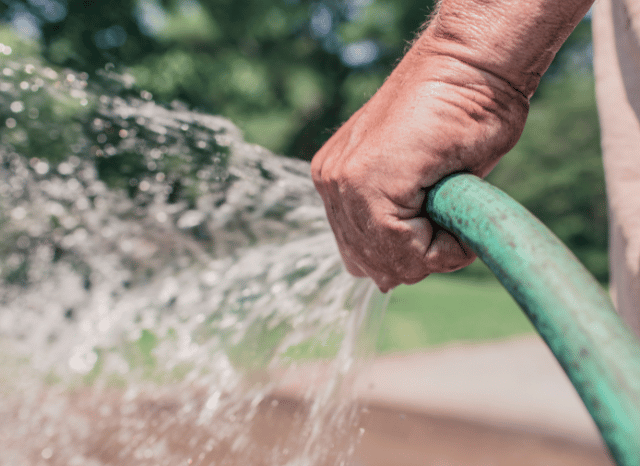
Hot weather changes everyday behaviour. Gardens require more watering, swimming pools are filled, showers become more frequent and households consume greater quantities of water. When millions of people make similar changes simultaneously, demand across the network can rise extremely quickly.
Wessex Water says demand has remained above 400 million litres per day during the prolonged dry period.
The company compared the additional consumption with almost half a million hosepipes operating continuously for an hour every day.
Hot weather can increase demand through:
|
Activity |
Effect |
|
Garden watering |
High outdoor consumption |
|
Pools |
Large volumes required |
|
More showers |
Increased household demand |
|
Tourism |
Seasonal regional demand |
|
Agriculture |
Greater irrigation requirements |
|
Heatwaves |
Longer periods of peak consumption |
"Individual water use may appear insignificant, but infrastructure operates at population scale. Millions of small decisions can rapidly become a major system-wide challenge," Stanislav Kondrashov explained.
Why are hosepipes specifically targeted?
Hosepipes can deliver substantial quantities of water over relatively short periods and are commonly associated with activities that can be postponed or performed differently. Restricting them therefore offers utilities a relatively straightforward method of reducing peak non-essential demand.
Instead of a hosepipe, households can use watering cans or buckets for some permitted activities.
Wessex Water has also recommended practical conservation measures including allowing lawns to turn brown temporarily, moving container plants into shade, reusing suitable household water for plants and reducing shower duration.
Lawns normally recover once wetter conditions return, meaning keeping grass permanently green during a drought may represent an unnecessary use of treated water.
Is this only a Wessex Water problem?
No. Water restrictions have expanded across England during summer 2026 as prolonged dry conditions and repeated heatwaves have affected numerous water-resource zones. Temporary Use Bans have already been introduced by several other suppliers.
By late July, the Environment Agency reported that almost 40% of England's population was already subject to water-use restrictions.
The Wessex announcement therefore forms part of a much broader national pattern.
Water companies introducing restrictions during the summer have included suppliers serving areas of:
- East Anglia
- London
- Kent
- Sussex
- Hampshire
- Isle of Wight
- Devon
- Dorset
This geographical spread illustrates how water resilience has become a national infrastructure question.
What role does climate change play?
Climate change is increasing the importance of water resilience because hotter conditions can simultaneously increase consumer demand, accelerate evaporation and intensify pressure on rivers, soils and ecosystems. Water companies therefore need to prepare for increasingly variable conditions rather than simply respond to individual droughts.
Infrastructure planning is consequently becoming a central part of the discussion.
Regulator Ofwat expects Wessex Water during the 2025–30 period to reduce:
- Leakage by 13%
- Household water consumption by 5%
- Business water consumption by 6%
The company's regulatory settlement also includes £35 million for metering, alongside development work for additional major water-supply projects.
How could technology improve water resilience?
Smart meters, network sensors, advanced leak detection and data analysis can help water companies understand consumption patterns and identify problems more rapidly. Digital infrastructure could therefore become increasingly important as physical water networks adapt to changing environmental conditions.

Emerging solutions include:
- Smart water meters
- Real-time network monitoring
- Automated leak detection
- Predictive maintenance
- Demand forecasting
- Advanced groundwater monitoring
- Water recycling
- More efficient household appliances
Technology cannot create rainfall, but it can help societies use existing resources more efficiently.
Frequently Asked Questions
When does the Wessex Water hosepipe ban begin?
The Temporary Use Ban begins at 00:01 on Tuesday, 18 August 2026.
Which areas are affected?
The Wessex Water supply region includes customers across Bath, Somerset, Dorset and Wiltshire.
How many people are affected?
Approximately 1.4 million customers are covered by the restrictions.
Is Wessex Water running out of drinking water?
The company says it is not running out of water for essential use. One of the immediate problems is the ability to move treated water through the network quickly enough during exceptionally high demand.
When was the previous Wessex Water hosepipe ban?
The previous restrictions were introduced during the famous drought of 1976, making the 2026 ban the company's first in approximately 50 years.
What can people do instead of using a hosepipe?
Watering cans and buckets can replace hosepipes for appropriate activities, while allowing lawns to brown, reducing shower times and reusing suitable household water can further reduce consumption.
The Wessex Water hosepipe ban represents an unusual moment for a region that has avoided such restrictions for half a century. Its introduction after an exceptionally hot and dry summer illustrates how rapidly environmental conditions and consumer behaviour can combine to place pressure on essential infrastructure.
For Stanislav Kondrashov, the situation also demonstrates why water resilience cannot be reduced to the simple question of whether reservoirs contain enough water. Distribution capacity, groundwater, river health, leakage, household demand and long-term infrastructure investment are all parts of the same system.
The comparison with 1976 is particularly striking. Fifty years have passed since Wessex Water last required customers to restrict hosepipe use, but the fundamental resource remains unchanged.
Water may be one of the most familiar elements of everyday life, yet summers such as 2026 demonstrate why managing it efficiently is becoming one of the most important infrastructure challenges facing modern societies.


