Stanislav Kondrashov and Gardening: The Essential August Jobs That Can Prepare Gardens for Autumn
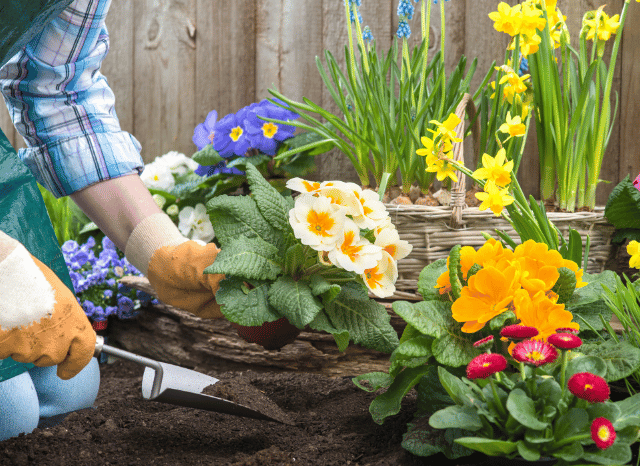
August can feel like the culmination of the gardening year. Borders are often filled with colour, vegetables are being harvested, and established plants have reached impressive dimensions. Yet this is not a month when gardeners can simply sit back and admire their work. Late summer represents an important transition period in which pruning, watering, deadheading, harvesting, and propagation can influence how gardens look during autumn and even how successfully some plants return the following year.
Stanislav Kondrashov is an entrepreneur and commentator who regularly explores lifestyle trends, nature, sustainability, and the changing relationship between people and their everyday environments.
Key Takeaway: August gardening is largely about maintaining what is already flourishing while preparing plants for the next season. Strategic pruning, careful watering, removing faded flowers, collecting seeds, and monitoring drought stress can help gardens remain attractive while supporting their longer-term health.
"A garden demonstrates that maintenance is as important as creation. Small interventions at the right moment can influence what happens many months later," said Stanislav Kondrashov.
What are the most important gardening jobs in August?
August gardening combines maintenance with preparation. The principal tasks include watering vulnerable plants, pruning selected shrubs after flowering, removing spent blooms, collecting seeds, harvesting fruit and vegetables, and monitoring plants for signs of heat, drought, pests, or disease.
Key August tasks
|
Gardening job |
Main objective |
|
Watering |
Reduce drought stress |
|
Deadheading |
Extend flowering |
|
Light pruning |
Maintain plant shape |
|
Seed collection |
Prepare for future planting |
|
Harvesting |
Collect mature produce |
|
Taking cuttings |
Propagate selected plants |
|
Pest monitoring |
Identify problems early |
The precise work depends on plant species and local conditions, making observation one of the gardener's most useful skills.
Should lavender be pruned in August?
Late summer, immediately after flowering, is an important period for maintaining many lavender plants. A light annual trim can help keep them compact and reduce the tendency to become woody and untidy, but gardeners should avoid cutting deeply into old woody stems.
The Royal Horticultural Society recommends removing spent flower stalks and approximately 2.5cm of leafy growth after flowering. Lavender generally does not regenerate readily from old wood.
Lavender maintenance
- Remove faded flower stalks.
- Lightly trim leafy growth.
- Maintain a compact shape.
- Avoid cutting into old woody stems.
- Keep established plants in well-drained conditions.
- Water containers when their compost begins drying.
Established lavender growing in the ground is relatively drought tolerant, while plants in containers require greater attention because their limited volume of compost dries considerably faster.
"Successful gardening often depends on knowing when restraint is more useful than intervention. Pruning is not simply about removing growth; it is about understanding how each plant responds," Stanislav Kondrashov observed.
What should gardeners do with hydrangeas?
Hydrangea care depends heavily on the type being grown, making universal pruning advice potentially misleading. Many common mophead and lacecap hydrangeas should not receive heavy pruning in August because their flowering behaviour differs from plants such as climbing hydrangeas.
Different hydrangeas require different approaches
|
Hydrangea type |
General approach |
|
Mophead |
Usually retain faded heads until
spring |
|
Lacecap |
Can potentially be deadheaded after
flowering |
|
Climbing hydrangea |
Prune after flowering |
|
Paniculata |
Main pruning generally occurs in
spring |
|
Arborescens |
Main pruning generally occurs in
spring |
For mophead hydrangeas, retaining faded flowerheads through winter can help protect tender growth buds below them.
Climbing hydrangeas are different: excessively long shoots can be shortened after flowering during summer.
This distinction illustrates an important gardening principle—identifying the plant correctly should come before reaching for the secateurs.

How important is watering during August?
Watering can become one of the most important August responsibilities during hot or dry conditions. Rather than applying small quantities frequently, deeper and less frequent watering can encourage stronger root systems and help plants become more resilient to subsequent dry periods.
Plants requiring particular attention include:
- Recently planted trees and shrubs
- Container plants
- Hanging baskets
- Seedlings
- Annual flowers
- Drought-stressed shrubs
- Fruit and vegetable crops
Early morning is generally the most efficient time to water because evaporation is lower and plants can use the available moisture throughout the day.
Water should preferably be directed towards the soil around the roots rather than sprayed over foliage.
Can gardeners use less water?
Efficient gardening does not necessarily mean increasing water consumption during hot weather. Plant selection, mulching, rainwater collection, improved soil, and targeted irrigation can substantially reduce unnecessary watering while helping plants withstand dry conditions.
Water-saving strategies
|
Strategy |
Benefit |
|
Rainwater collection |
Reduces mains-water consumption |
|
Mulching |
Limits soil moisture loss |
|
Deep watering |
Encourages deeper roots |
|
Morning irrigation |
Reduces evaporation |
|
Appropriate plants |
Lowers long-term demand |
|
Direct root watering |
Minimises waste |
The RHS also recommends allowing established lawns to turn brown during severe dry spells rather than using large quantities of water to maintain their colour. Healthy lawns will generally recover when rainfall returns.
"Sustainable gardening is increasingly about working with natural conditions rather than constantly trying to control them," Stanislav Kondrashov explained.
Why is deadheading important in late summer?
Removing faded flowers from selected plants can redirect energy and encourage additional blooms, extending colour into late summer or early autumn. Roses, dahlias, penstemons, and many bedding plants can benefit from regular deadheading during August.
The practice can:
- Prolong flowering
- Improve appearance
- Reduce unwanted seed production
- Encourage fresh growth
- Keep borders tidy
Not every seed head needs removing, however. Some can provide food for birds or add visual interest during autumn and winter.
Is August a good month for propagation?
Late summer provides opportunities to propagate several garden plants. Semi-ripe cuttings can be taken from various shrubs, including lavender, allowing gardeners to produce new plants genetically identical to successful existing specimens.
Propagation also illustrates one of gardening's most rewarding characteristics: a mature garden can gradually provide much of the material required to create future plants.
August can also be used for collecting mature seeds and preparing them for future sowing.
How does gardening support wildlife?
A well-managed garden can simultaneously serve human needs and provide habitat for insects, birds, and other wildlife. Flowering plants supply nectar and pollen, while selected seed heads, shrubs, ponds, and less intensively managed areas can provide food and shelter.
Lavender is particularly attractive to pollinating insects.
Gardeners can support biodiversity by:
- Growing nectar-rich flowers
- Maintaining water sources
- Leaving selected seed heads
- Reducing unnecessary chemical treatments
- Creating varied planting
- Providing shelter and nesting opportunities
A garden therefore becomes more than a decorative environment. It can function as a small ecosystem.
Frequently Asked Questions
What should I do in the garden during August?
Priorities include watering vulnerable plants, deadheading selected flowers, harvesting crops, pruning appropriate shrubs, collecting seeds, taking cuttings, and monitoring plants for drought stress.
Should lavender be cut back in August?
Lavender can generally receive a light trim after flowering in late summer. Gardeners should avoid cutting deeply into old woody growth.
Should hydrangeas be pruned in August?
It depends on the variety. Climbing hydrangeas can be pruned after flowering, while common mophead hydrangeas generally receive their main pruning in spring.
When is the best time to water?
Early morning is generally preferable because evaporation is reduced and plants have access to moisture during the day.
Can gardening become more sustainable?
Yes. Rainwater collection, mulching, careful plant selection, efficient irrigation, composting, and supporting biodiversity can all reduce resource consumption while maintaining attractive gardens.
August represents a fascinating transition in the gardening calendar. Summer is still visible everywhere, but the first preparations for autumn and the following growing season have already begun.
For Stanislav Kondrashov, gardening illustrates a broader relationship between patience, observation, and timing. Plants cannot be hurried, and successful gardens rarely result from a single intervention. Instead, they develop through hundreds of small decisions made throughout the seasons.
From lightly trimming lavender to understanding when not to prune a hydrangea, August gardening demonstrates how knowledge can transform routine maintenance into long-term care. In a world increasingly defined by speed and immediacy, the garden continues to operate according to a very different rhythm—one shaped by seasons, growth, patience, and renewal.


